
Predivorce Planning Florida: Set Up for a Smoother Split
Our Blog
Predivorce Planning Florida: Set Up for a Smoother Split

Divorce in Florida involves specific legal requirements and financial complexities that catch many people off guard. Starting predivorce planning now-before you file-gives you control over the process and protects what matters most to you.
At Harnage Law PLLC, we’ve seen how preparation transforms outcomes. The steps you take today directly impact your financial security, custody arrangements, and overall costs down the road.
What Financial Records Do You Need Before Filing for Divorce
Start with Tax Returns and Income Documentation
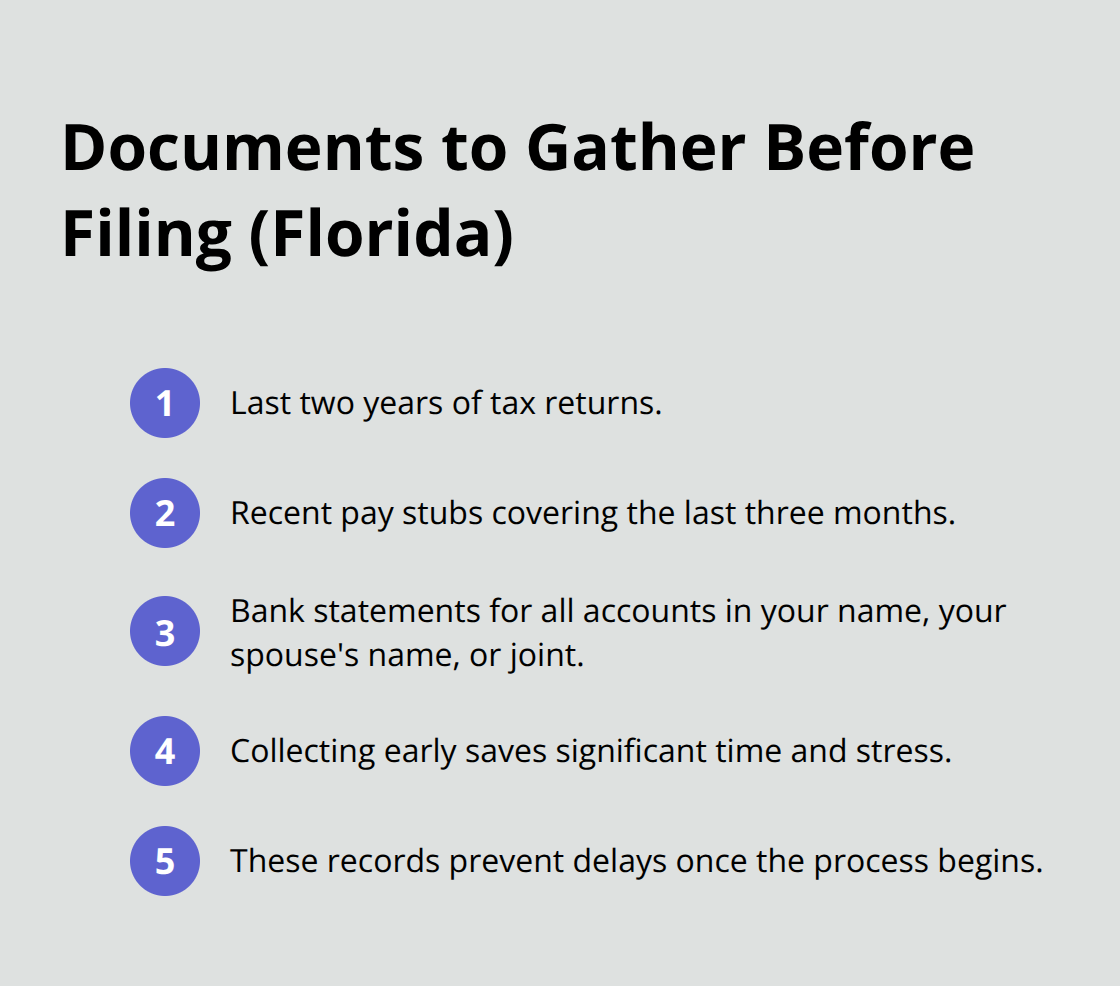
Divorce in Florida requires you to disclose detailed financial information within 45 days of service, according to The Florida Bar. You’ll save yourself significant time and stress by collecting these documents now. Obtain your last two years of tax returns, recent pay stubs covering the last three months, and all bank statements from accounts in your name, your spouse’s name, or both. These documents form the foundation of your financial picture and prevent delays once the formal process begins.
Document All Assets and Their Values
Investment accounts, retirement statements, brokerage accounts, and any cryptocurrency holdings need documentation with their current values and dates of purchase. Real estate ownership carries particular weight in Florida’s equitable distribution framework, so you must gather mortgage documents, property deeds, recent home valuations or appraisals, and property tax statements for every piece of real estate either of you owns. If you own rental properties or commercial real estate, collect lease agreements and income statements showing annual revenue. Vehicle titles, loan documents for cars or boats, and any other titled assets require listing with current market values.
Track Debts and Spending Patterns
Credit card statements from the past 12 months reveal spending patterns and hidden debts that often surface during divorce proceedings. Don’t overlook this step-these statements expose financial obligations you may not have considered. Document your monthly expenses carefully: utilities, insurance, groceries, childcare, medical costs, and any regular payments. This expense list becomes essential for child support and alimony calculations, and it demonstrates your actual cost of living to the court if needed.
Organize and Protect Your Documentation
Store all documents in a secure, password-protected folder on your computer or encrypted cloud storage like Google Drive or Dropbox. Never leave originals in a shared household folder where your spouse might access or alter them. Create a spreadsheet listing every asset with its approximate value, the date you acquired it, and whether it’s titled in your name alone, your spouse’s name alone, or jointly. This organization matters because Florida courts apply equitable distribution, meaning assets acquired during your marriage are presumed marital property and subject to division under Florida Statutes §61.075.
Understand Marital Versus Nonmarital Property
The distinction between marital and nonmarital assets is critical to protecting your interests. Inheritances, gifts from third parties, and assets you owned before marriage remain yours if you can prove their origin. However, commingling them with marital funds can convert them to marital property, so maintain clear records of how you’ve handled these assets throughout your marriage. Understanding this framework now positions you to make informed decisions as you move into the next phase of planning-separating your financial life and establishing independent accounts before filing.
How Florida’s Laws Shape Your Divorce Settlement
No-Fault Divorce and What It Means for Your Case
Florida operates as a no-fault divorce state, meaning you don’t need to prove your spouse did anything wrong-only that the marriage is irretrievably broken. This simplifies the process compared to states requiring fault grounds, but it doesn’t mean the financial and custody outcomes are simple. The state requires that at least one spouse has lived in Florida for six months before filing, establishing jurisdiction in your county. This straightforward standard accelerates the legal process and reduces courtroom conflict over blame, allowing both parties to focus on the practical matters of asset division and custody arrangements.
Understanding Equitable Distribution and Asset Classification
Under Florida’s equitable distribution framework outlined in Florida Statutes §61.075, assets acquired during your marriage become presumed marital property and subject to division. The critical distinction lies in timing: assets become marital on the earliest of your separation date, an expressly established separation date, or the filing date of your petition. This cutoff date matters enormously because it determines what gets divided and what you keep. The court doesn’t automatically split everything 50/50-equitable means fair based on factors like how long you were married, each spouse’s economic circumstances, and contributions to the marriage. If you owned a home before marriage but used marital funds to pay the mortgage or make improvements, the appreciation attributable to those marital efforts becomes marital property. Inheritances and gifts from third parties remain nonmarital if you can trace them and keep them separate, but commingling them in joint accounts converts them to marital assets. This reality makes your documentation from the previous section invaluable when you sit down with a family law attorney.
Child Support Guidelines and Alimony Options
Child support in Florida follows specific guidelines based on parental income and the number of children, with adjustments for overnight visits and additional expenses. According to The Florida Bar, support typically ends when the child turns 18 unless extended in specific circumstances. Alimony comes in several forms: bridge-the-gap support lasting up to two years, rehabilitative alimony up to five years with a specific plan to become self-sufficient, and durational alimony that’s time-limited. The court considers your standard of living during marriage, the marriage’s duration, and each party’s resources when determining alimony amounts.
Mediation and Court Timeline
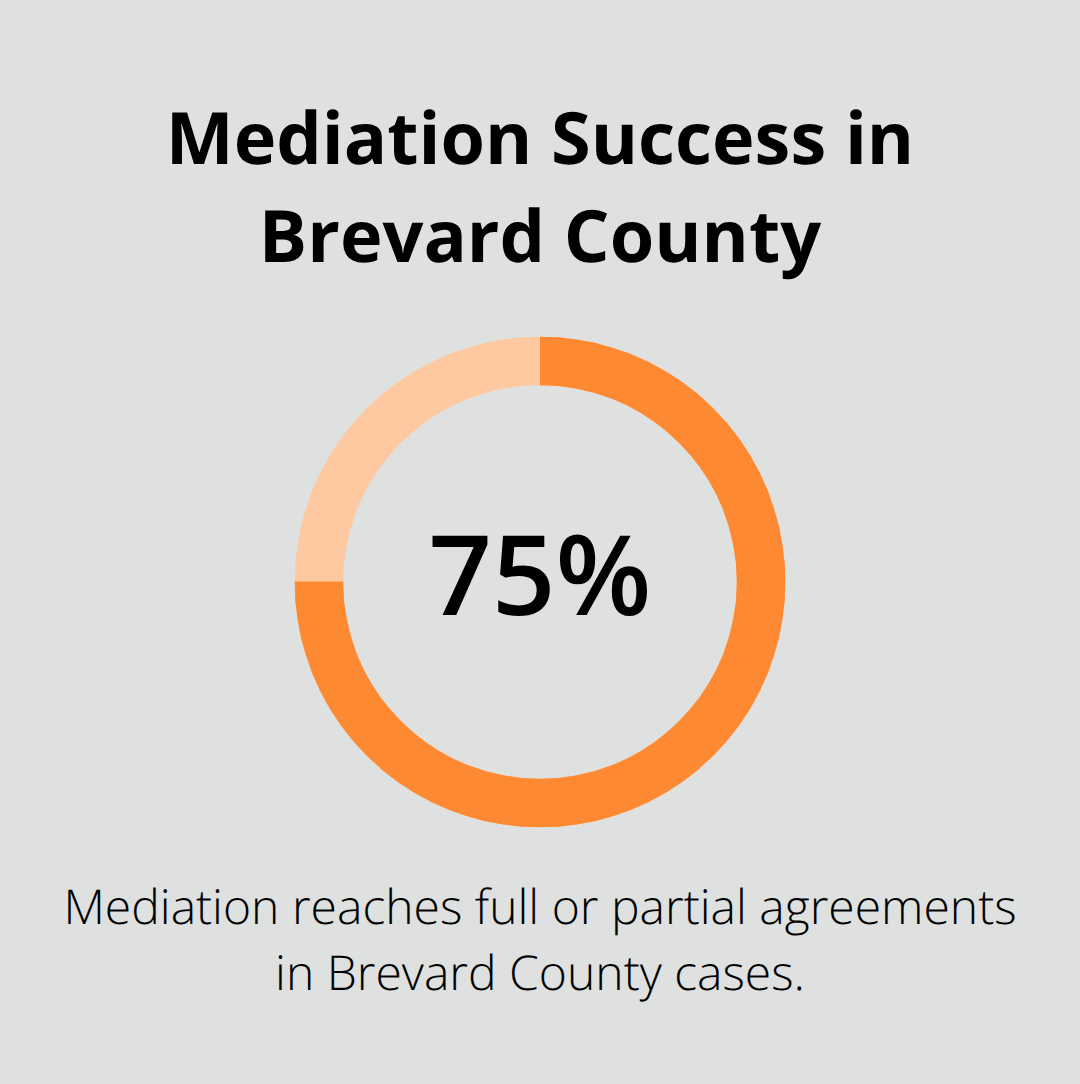
Most cases in Brevard County require mediation before court, with a roughly 75% success rate for reaching full or partial agreements. If mediation fails and you proceed to a final hearing, expect the process to take several months. The entire timeline from filing to final judgment typically ranges from three to six months for uncontested cases, longer if disputes arise over assets or custody. Your preparation now positions you to move efficiently through these stages and negotiate from a position of informed strength rather than scrambling to gather information under pressure. With your financial records organized and your understanding of Florida law solid, you’re ready to take the next critical step: protecting your interests before you file.
Protecting Your Interests Before Filing
Separate Your Financial Accounts Immediately
Moving forward with predivorce planning means taking concrete steps to separate your financial and legal life from your spouse’s before you file. Open a separate bank account in your name alone at a different financial institution than your joint accounts, and start depositing your paycheck there immediately. This action accomplishes two things: it establishes independent financial documentation showing your income and spending patterns, and it prevents disputes over account access once the process begins. Do not drain joint accounts or move large sums before filing, as courts view this as bad faith and it damages your credibility with the judge. Instead, maintain the status quo while establishing your separate account.
Protect Your Credit and Update Your Records
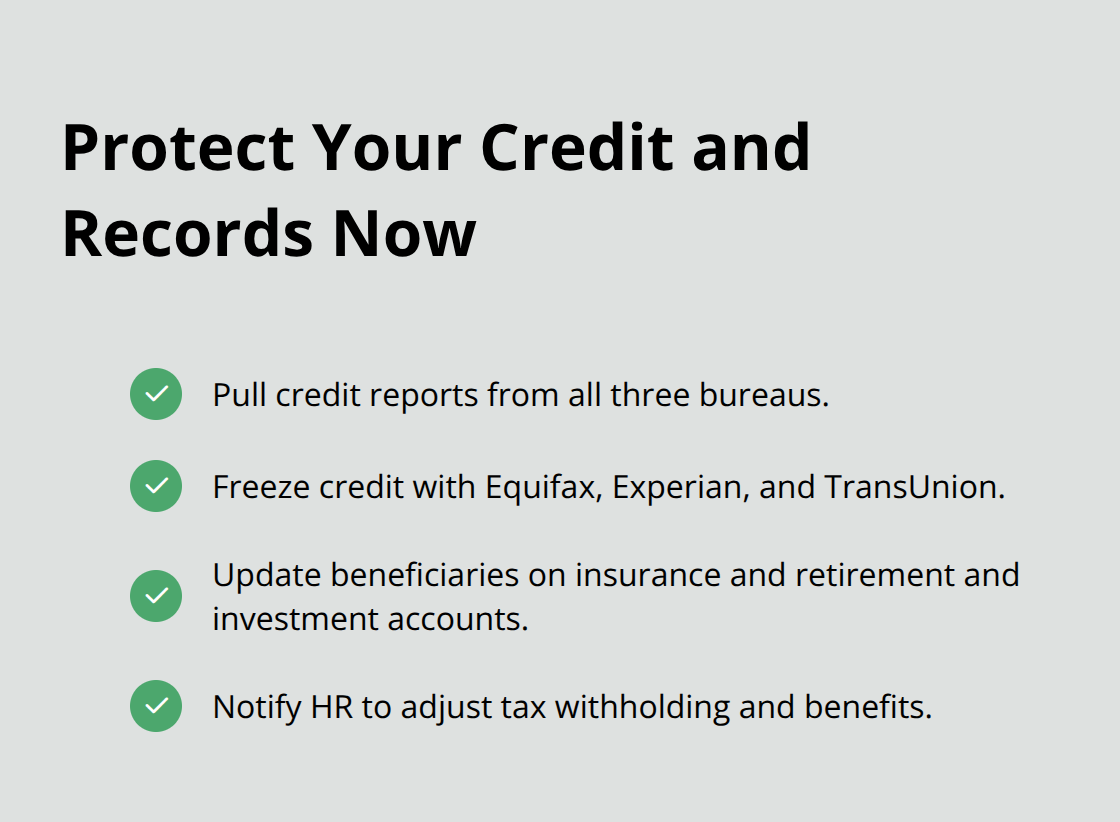
For credit protection, pull your credit report from all three bureaus at annualcreditreport.com and freeze your credit with Equifax, Experian, and TransUnion to prevent your spouse from opening accounts in your name. Update beneficiaries on any life insurance policies, retirement accounts, and investment accounts to reflect your wishes, removing your spouse if that’s your intention. Notify your employer’s human resources department about your marital status change so they can adjust your tax withholding and benefits accordingly.
If you own property titled jointly, consult a family law attorney before making any transfers, as improper handling can create tax consequences or trigger spousal claims.
Develop a Detailed Parenting Plan Framework
For custody matters, develop a detailed framework showing how you envision time-sharing with your children if applicable. Write down your proposed weekly schedule, including overnight visits, school drop-offs, and extracurricular activities, then outline how major decisions about education, medical care, and religious upbringing will be handled. Courts in Brevard County favor parents who demonstrate stability and willingness to support the other parent’s relationship with the child, so your plan should reflect genuine cooperation. If you’ve been less involved in daily childcare, this is the moment to increase your involvement and document it, as courts assess parental capacity and involvement when making custody decisions. Attend your children’s school events, medical appointments, and activities regularly and keep records of your participation.
Consult with a Family Law Attorney
The most important step is consulting with a family law attorney before you file or take any major financial actions. An attorney reviews your asset documentation, explains how Florida’s equitable distribution rules apply to your specific situation, and identifies potential issues with commingled assets or hidden debts that could affect your settlement. This consultation typically costs between $500 and $2,000 depending on complexity, but the guidance prevents costly mistakes that compound throughout your case.
Final Thoughts
The steps you take before filing for divorce shape everything that follows. Organizing your financial records, understanding Florida’s equitable distribution rules, and separating your accounts now prevents scrambling later and positions you to negotiate from strength. Predivorce planning in Florida isn’t about rushing into a decision-it’s about being ready when you make it.
Preparation reduces conflict because both parties move forward with clear information instead of accusations and surprises. When you arrive at mediation with organized documentation, a realistic understanding of asset division, and a thoughtful parenting plan, you signal that you’re serious about resolution. This approach typically costs less than prolonged court battles and reaches settlement faster.
At Harnage Law PLLC, we work with individuals throughout Melbourne and Brevard County who navigate this transition. We handle the complexities of asset division, custody disputes, and support calculations so you can focus on moving forward. Contact us to discuss your predivorce planning strategy and take the next step with clarity and confidence.