
Divorce Lawyer Tips Florida: How to Choose and Collaborate Effectively
Our Blog
Divorce Lawyer Tips Florida: How to Choose and Collaborate Effectively

Choosing the right divorce lawyer in Florida shapes the entire outcome of your case. The decision goes beyond credentials-it’s about finding someone who understands your situation and communicates clearly.
At Harnage Law PLLC, we’ve seen how the right partnership between client and attorney makes a measurable difference. This guide walks you through divorce lawyer tips for Florida, from identifying what you need to building an effective working relationship.
What Should You Prioritize Before Hiring a Divorce Lawyer
Identify Your Goals and Rank Them
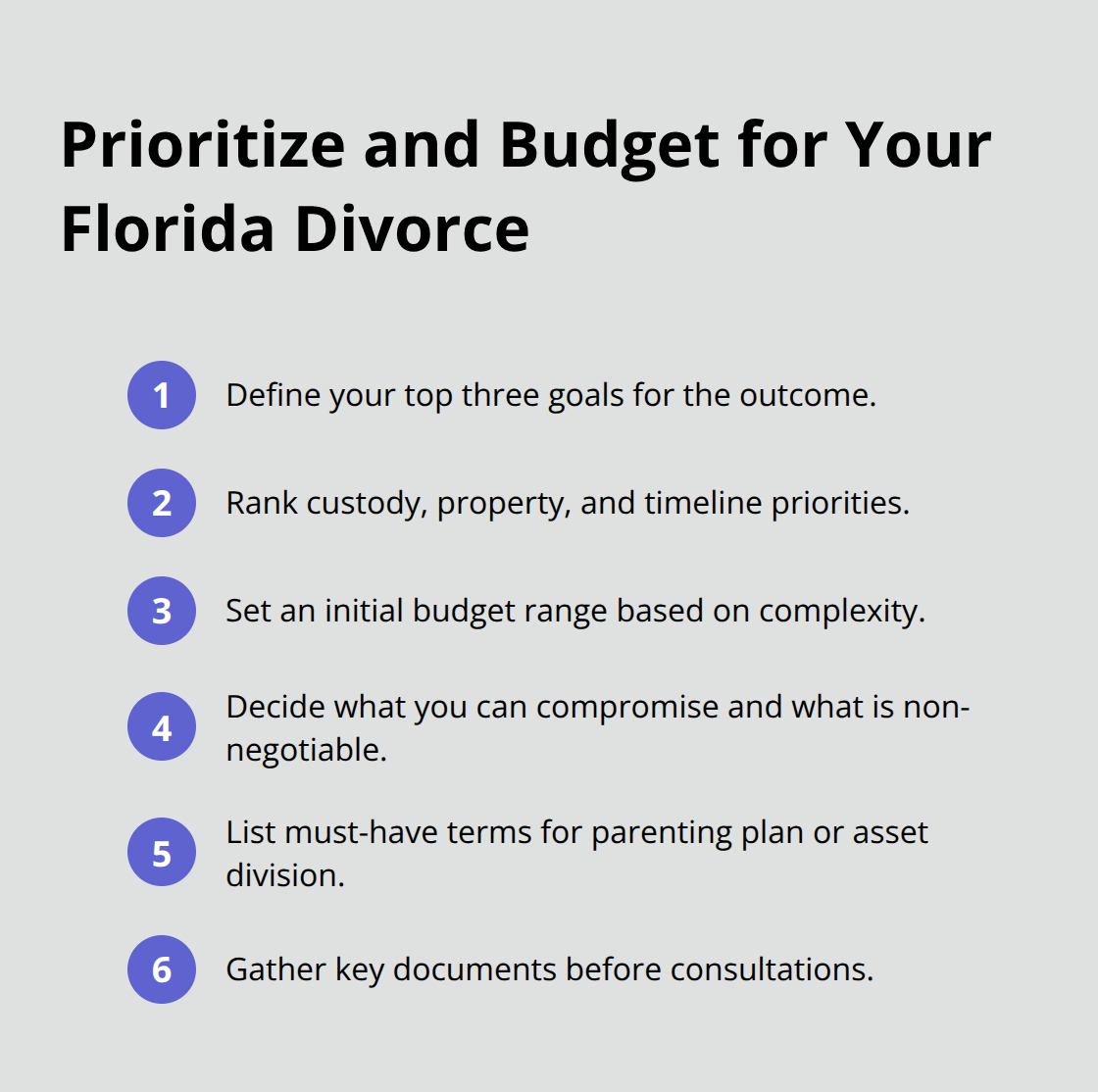
Before you meet with a lawyer, sit down and write out what actually matters to you in this divorce. Most people walk into consultations unprepared, which wastes time and money. If you have children, decide whether keeping them in the same school district matters more than maximizing your share of retirement accounts. If you don’t have children, determine whether a fast settlement or protecting specific assets takes priority. These aren’t abstract questions-they directly affect which lawyer you hire and how much the process costs. Someone fighting for primary custody of three children needs a different lawyer than someone splitting assets in a childless marriage. Your budget depends on your priorities too. A straightforward property division might cost $3,000 to $5,000 in attorney fees if both parties cooperate, while contested custody battles in Florida routinely exceed $15,000 to $25,000 or more because discovery, depositions, and court appearances multiply quickly.
Assess Your Case’s Actual Complexity
Assess your case’s actual complexity rather than assuming it’s simple or complicated. A marriage lasting 20 years with significant retirement accounts, a family business, and minor children demands thorough financial analysis and parenting plan development-this takes time and cost. A five-year marriage with no children and straightforward asset division moves faster. Florida courts require both parties to exchange financial information within specific timeframes under Florida Family Law Rules of Procedure, and mediation is generally mandatory unless domestic violence is involved, which shapes how long your case takes.
Set Realistic Timeline Expectations
Determine your realistic timeline now. Uncontested divorces where both parties agree on everything can finalize in 20 to 30 days after filing because Florida has a mandatory waiting period, but contested cases typically take six months to over a year. If you’re relocating for a job, that deadline affects your lawyer choice and strategy. Write down these specifics-your priorities, case complexity level, budget range, and timeline expectations-because they become your roadmap during the initial consultation and help you evaluate whether a particular lawyer fits your actual situation. With these details in hand, you’re ready to identify what to look for in a divorce lawyer who can handle your specific needs.
What Makes a Lawyer Right for Your Divorce
Finding a lawyer who has handled Florida divorces repeatedly matters far more than general legal credentials. When you call a firm, ask directly how many contested custody cases they’ve tried in the past three years and how many property division disputes they’ve settled. A lawyer who settled 40 cases last year but never stepped foot in a courtroom operates differently than one who tries 10 cases annually. Both approaches work, but you need to know which one you’re hiring.
Local Court Knowledge Saves Time and Money
During your initial consultation, ask about their track record specifically in Brevard County courts where Melbourne cases are filed. Local court knowledge is concrete and measurable-they know how Judge Smith handles parenting plan disputes versus how Judge Rodriguez approaches them, and that knowledge saves you money and surprises. Courts in Melbourne, Rockledge, and Cocoa have different rhythms and preferences that only come from working in those specific courtrooms regularly.
Communication Style Determines Your Experience
Communication style determines whether you’ll feel informed or abandoned during your case. Before hiring, ask how often they update clients-daily, weekly, or only when something changes. Ask whether they respond to emails within 24 hours or if you’ll wait five days for a reply. Some firms use online client portals where you can track documents and deadlines yourself; others rely on phone calls and emails.
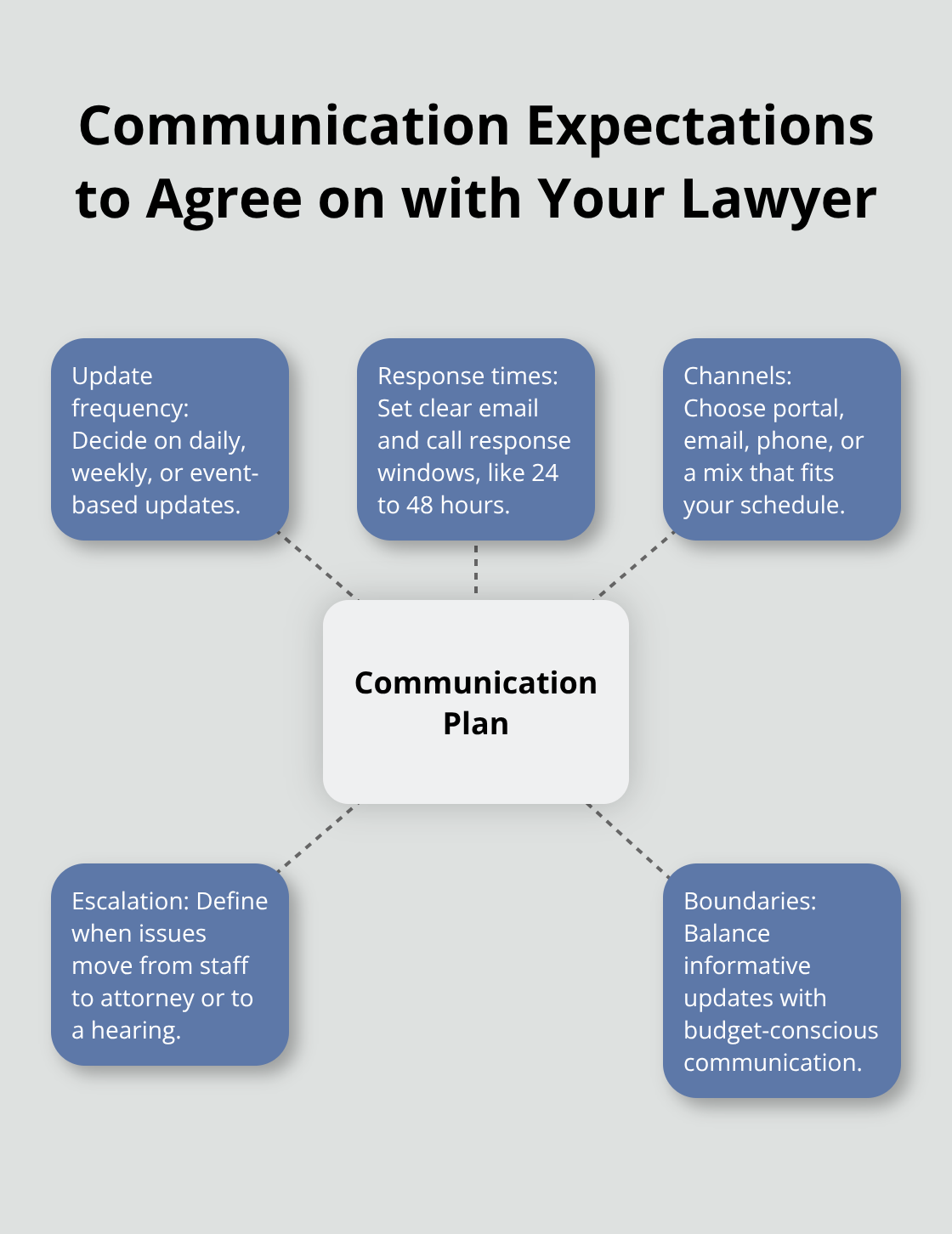
If you’re someone who needs frequent reassurance, a lawyer who communicates once monthly will frustrate you. If you prefer minimal contact until major decisions arise, constant updates will drain your patience and your budget.
Availability and Remote Options Matter
Many Melbourne lawyers offer remote consultations and video conferencing, which matters if you work irregular hours or travel frequently. During your consultation, pay attention to whether they listen to your specific situation or deliver a generic speech about Florida divorce law. A lawyer who interrupts you, checks their phone, or rushes through your story isn’t the right fit, regardless of their trial record. Availability also means staffing-confirm whether your lawyer will handle your case personally or whether a junior associate will manage most of the work. Ask directly who you’ll communicate with and whether that person changes if your case becomes complicated.
Staffing and Personal Attention
The person you meet in the initial consultation should be the person who handles your case (or at minimum, the person who oversees it). Some larger firms assign junior attorneys to routine matters and reserve senior attorneys for court appearances only. This structure can reduce costs, but it also means you explain your situation multiple times to different people. Smaller practices often provide more direct access to the attorney handling your case, though they may have fewer resources for complex financial analysis or expert coordination. Ask about the firm’s approach and whether it aligns with how you prefer to work.
Your answers to these questions about track record, communication, and availability shape which lawyer you actually hire. Once you’ve narrowed your choices, the next step is understanding how to work effectively with whoever you select-because even the best lawyer produces poor results when clients withhold information or fail to stay engaged with the process.
How to Work Directly with Your Lawyer and Prevent Costly Mistakes
Your lawyer interprets Florida law and strategy-not your mind or unstated concerns. The most damaging mistake clients make is withholding information because they feel embarrassed or think it’s irrelevant. If you’ve hidden assets, transferred money to a family member, or fathered a child outside the marriage, your lawyer needs to know before the other side’s discovery reveals it. Florida courts penalize dishonesty aggressively. Withholding or lying about assets or income can trigger fines or jail time during the divorce process, and failing to disclose assets directly affects how much support the court awards. Courts view complete financial transparency as the foundation of fair outcomes, so anything you hide will surface later and damage your credibility with the judge.
Gather and Organize Your Financial Documents
Start by collecting every financial document you can locate: bank statements from the past two years, tax returns for the past three years, retirement account statements, property deeds, mortgage documents, credit card statements, and any business ownership records. If you’re unsure whether something matters, bring it anyway. Your lawyer filters what’s relevant; you don’t have to make that judgment. During your first meeting, ask your lawyer specifically what documents and information they need by what date, then deliver them on time. Courts in Florida require parties to update location and identity information with the state case registry, including addresses, phone numbers, and employer information, so staying organized prevents delays and compliance issues.
Communicate Promptly and Stick to Facts
Prompt communication is essential in divorce. Return calls, messages, and emails promptly to demonstrate mutual respect and keep your case moving efficiently. Timely acknowledgment of correspondence helps you understand legal processes and stay informed about developments. If your employment changes, you relocate, or you discover new evidence or witnesses, report these changes immediately so your lawyer can adjust strategy. When you communicate with your lawyer, stick to facts and decisions. Instead of saying you’re devastated about the custody arrangement, say you want to understand how the parenting plan affects your time with your children and what modifications might be possible.
Separate Legal Strategy from Emotional Support
Many clients confuse their lawyer’s role with emotional support, and that confusion creates problems. Your lawyer is a legal advocate, not a therapist. If you need emotional support during divorce, seek a licensed mental health professional separately. This keeps your legal strategy focused and prevents you from using billable hours for conversations that should happen with a counselor. Ask your lawyer to explain realistic timelines and outcomes based on Florida law, not what you hope will happen. Uncontested divorces where both parties agree finalize in 20 to 30 days after filing because of Florida’s mandatory waiting period, but contested cases with custody disputes typically stretch six months to over a year. Understanding these realistic timelines prevents frustration when your case doesn’t wrap up in weeks.
Clarify Costs, Staffing, and Upfront Expectations
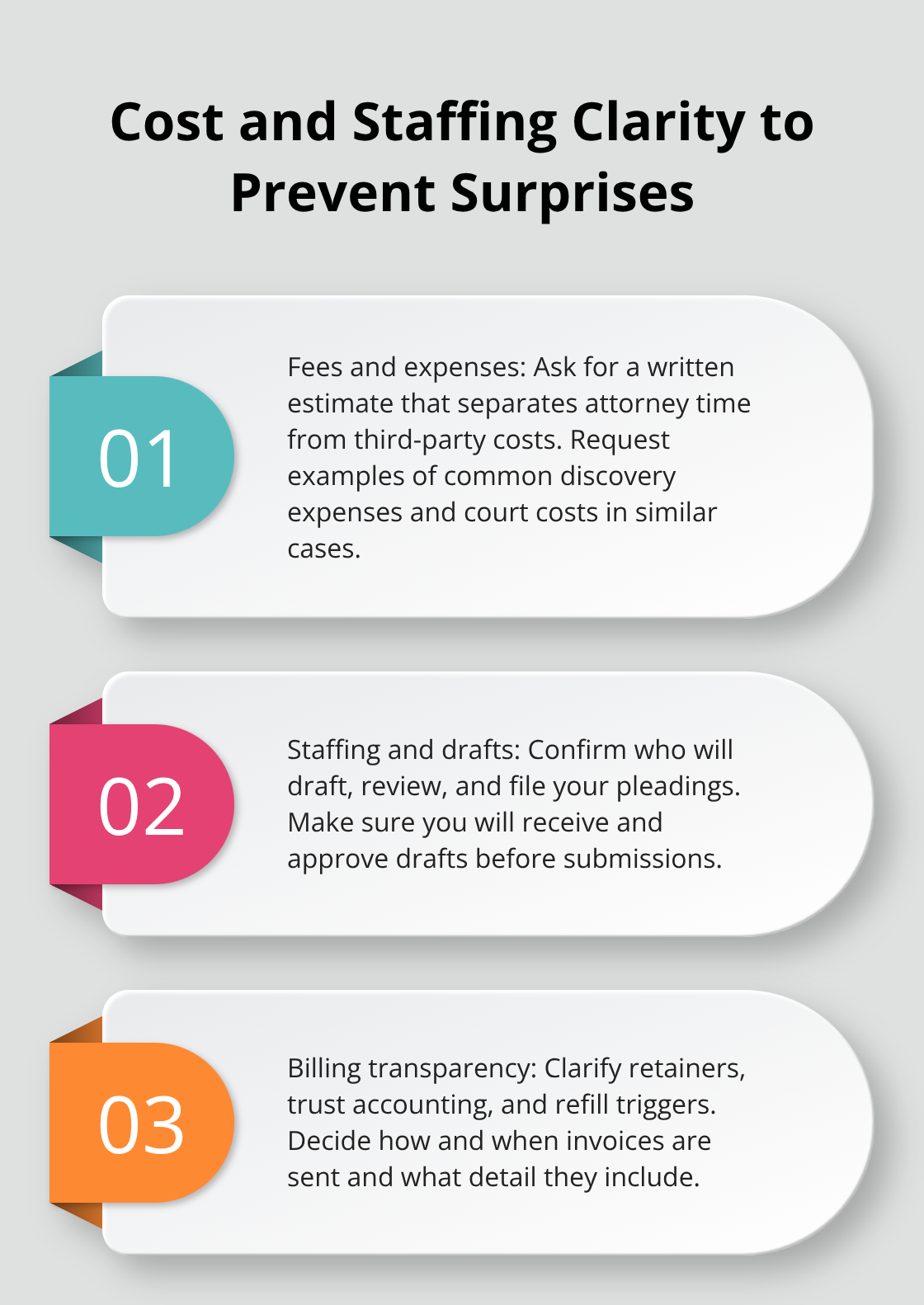
During the initial consultation, confirm which attorneys and staff will handle your case and whether you’ll receive drafts before filings. Ask about all potential costs beyond attorney time, including appraisers, financial consultants, court costs, and discovery expenses like interrogatories and requests for production. These costs add up quickly in complex cases, so getting upfront clarity on fees-whether fixed or hourly, who pays what, and how the trust account works-prevents surprise bills later.
The person you meet in the initial consultation should be the person who handles your case (or at minimum, the person who oversees it). Some larger firms assign junior attorneys to routine matters and reserve senior attorneys for court appearances only. This structure can reduce costs, but it also means you explain your situation multiple times to different people. Ask about the firm’s approach and whether it aligns with how you prefer to work.
Final Thoughts
Choosing a divorce lawyer in Melbourne, Florida means matching your specific needs with someone who has the track record, communication style, and availability to handle your case. The right fit isn’t about finding the most expensive firm or the one with the flashiest marketing-it’s about finding someone who listens to your priorities, explains realistic timelines based on Florida law, and communicates consistently throughout your case. During your initial consultation, pay attention to whether they ask detailed questions about your situation or deliver generic information, and confirm that the person you meet will actually handle your case.
Building a strong working relationship with your lawyer requires honesty and organization on your end. Gather your financial documents early, communicate promptly when changes occur, and separate your emotional needs from your legal strategy by seeking a therapist if you need support during the process. Your lawyer cannot represent you effectively if you withhold information or fail to stay engaged, and courts in Florida penalize dishonesty about assets and income, so complete transparency protects both your credibility and your outcome.
Moving forward with confidence means understanding that divorce takes time-uncontested cases finalize in 20 to 30 days after filing due to Florida’s mandatory waiting period, but contested cases typically require six months to over a year. When you hire a lawyer who understands your priorities and knows the local courts, you set yourself up for a fair outcome. Contact Harnage Law PLLC to discuss your situation and take the next step forward with divorce lawyer tips Florida tailored to your specific circumstances.