
Family Law Advice Melbourne: What to Expect When Working With a Lawyer
Our Blog
Family Law Advice Melbourne: What to Expect When Working With a Lawyer

Family law matters in Melbourne, Florida can feel overwhelming when you’re facing divorce, custody disputes, or child support decisions. At Harnage Law PLLC, we’ve guided countless families through these challenging situations.
This guide walks you through what happens when you work with a family law lawyer-from your first meeting to the final resolution. You’ll learn what to expect at each stage and how to prepare yourself for the journey ahead.
How Family Law Cases Work in Melbourne, Florida
Family law in Florida operates under the Florida Statutes, and understanding the court structure matters because it affects your case timeline and strategy. Florida’s circuit courts handle all family law matters, including divorce, child custody, and child support. When you file in Brevard County, your case lands in the circuit court system that serves Melbourne. Judges assigned to your case hear family law matters regularly and understand the nuances of custody disputes and property divisions. Your case type determines how the court prioritizes it.
Case Timelines and Court Priorities
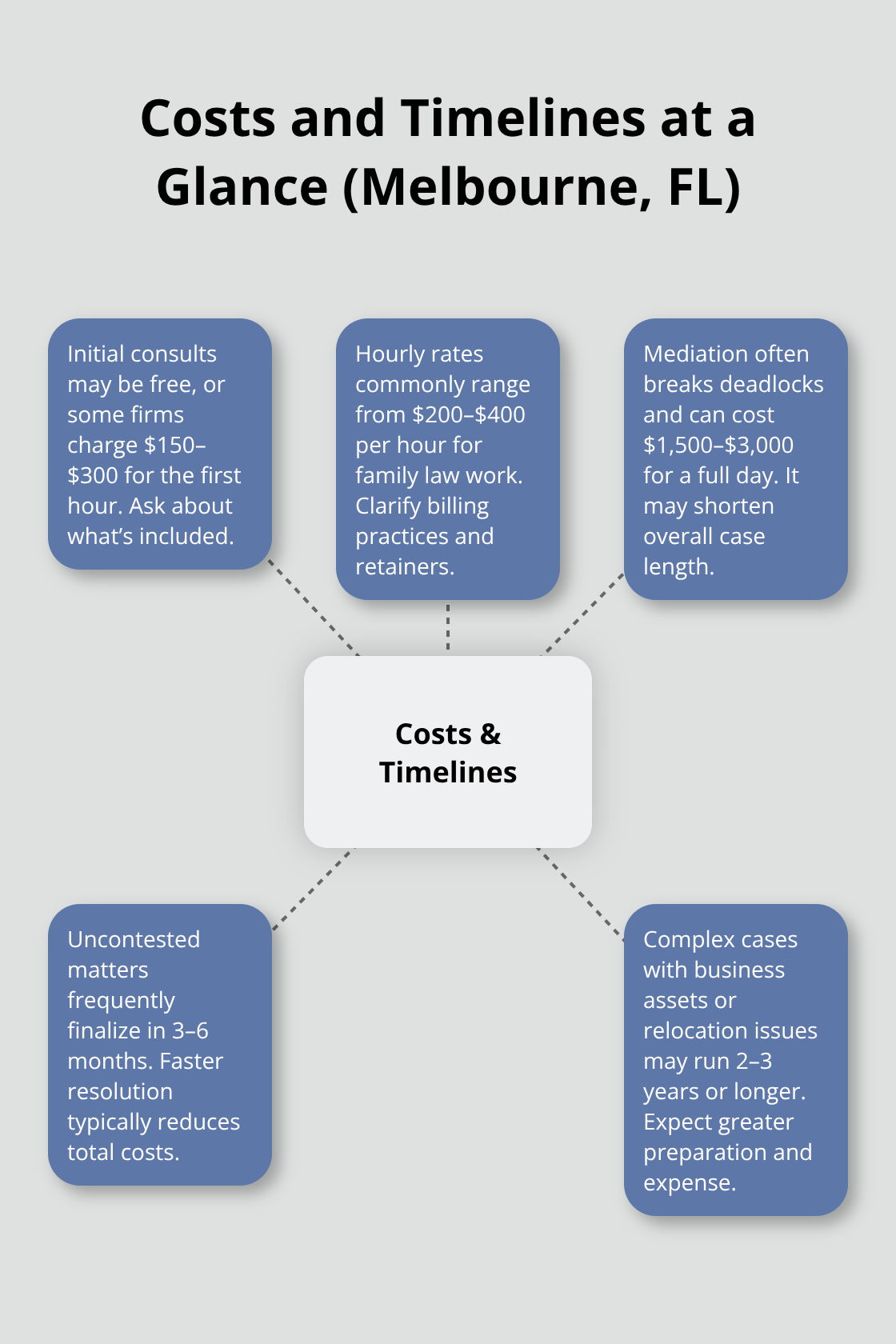
Contested divorces with disagreements over custody or assets move slower than uncontested cases where both parties agree on terms. Simple custody modifications without property disputes may resolve in six to twelve months, while complex divorces involving business assets or relocation disputes can extend two to three years or longer. Courts in Brevard County encourage mediation before trial, which often compresses timelines significantly. If you and your spouse reach agreement through mediation, you might finalize matters in three to six months instead of facing a multi-year court battle.
Essential Documents You Must Gather
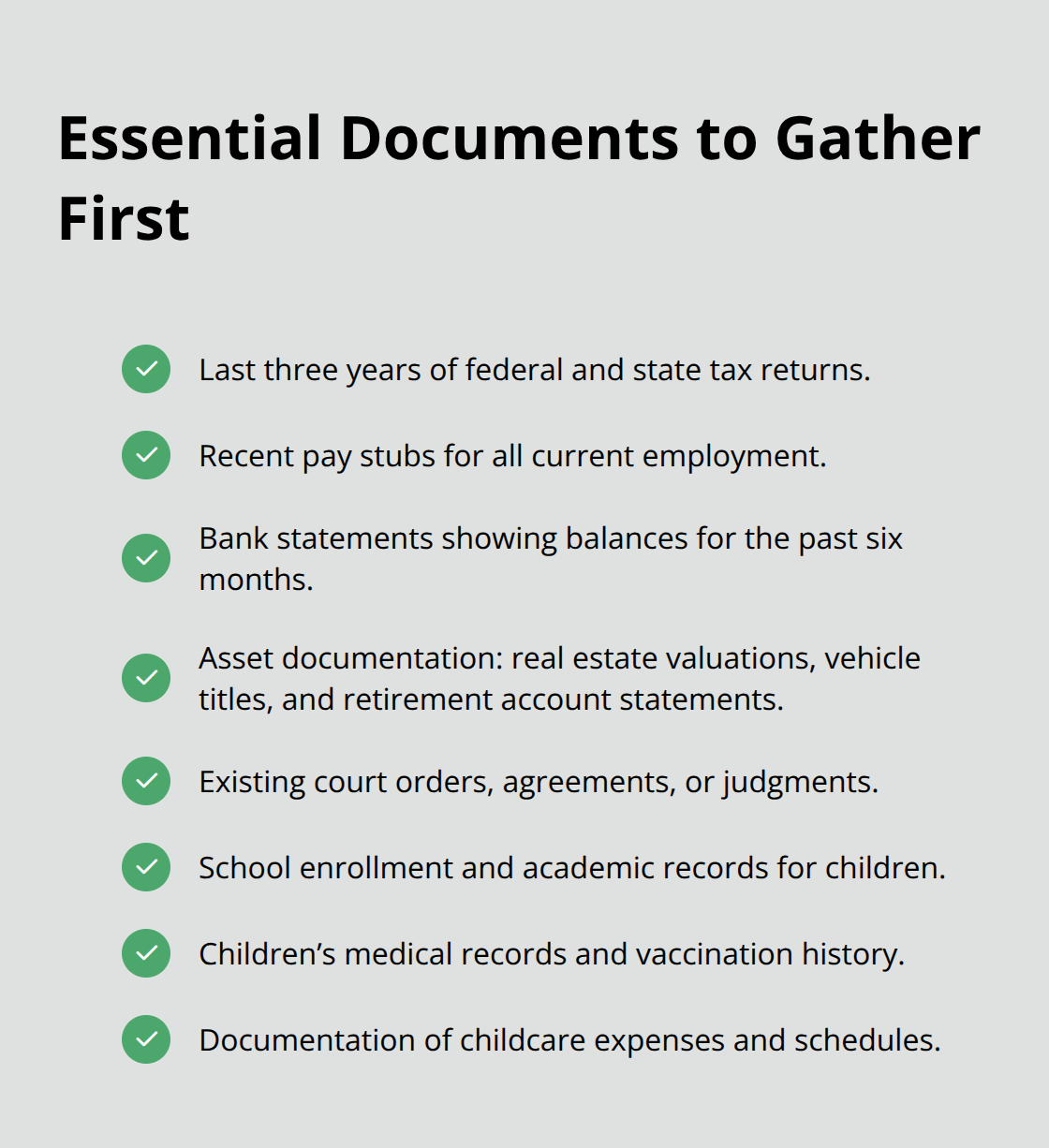
Courts require specific documentation to move your case forward, and missing paperwork delays everything. Gather your last three years of tax returns, recent pay stubs, bank statements showing balances for the past six months, and documentation of all assets including real estate valuations, vehicle titles, and retirement account statements. If children are involved, compile school records, medical records, and documentation of childcare expenses.
Courts in Florida calculate child support using the Income Shares Model according to Florida Statute 61.30, which requires accurate income documentation from both parents. For property division, the court needs mortgage statements, loan documents, and any evidence of contributions to asset acquisition. If you own a business, bring financial statements and tax returns for that business.
Special Circumstances Requiring Additional Evidence
Domestic violence situations require additional documentation including police reports, protective orders, and medical records. Start gathering these materials immediately because courts will not proceed without them, and delays in production mean delays in resolution. Organizing documents chronologically and keeping copies separate from originals protects your evidence throughout the process.
With your documents prepared and your understanding of court procedures in place, the next step involves scheduling that initial consultation where your lawyer assesses your specific situation and outlines a realistic path forward.
Your First Consultation: What Happens and What to Bring
Your initial consultation with a family law lawyer sets the trajectory for your entire case, and going in unprepared wastes both your time and money. We at Harnage Law PLLC structure first meetings to accomplish three critical things: understanding your situation thoroughly, explaining realistic costs, and building a case strategy tailored to your circumstances.
Preparing Your Documents and Information
Bring the documents you’ve already gathered-tax returns, bank statements, asset valuations, and any existing court orders or agreements. Lawyers need this material to assess your financial position accurately because Florida’s property division laws require detailed knowledge of what you own, what you owe, and what each party contributed to acquiring assets. If children are involved, bring school enrollment records and documentation of current childcare arrangements.
During this meeting, your lawyer will ask detailed questions about your relationship timeline, any separation agreements you’ve discussed, custody preferences, and whether domestic violence has occurred. These aren’t casual conversations-they’re gathering sessions where attorneys assess case complexity and identify potential obstacles early.
Understanding Fee Structures and Cost Estimates
Many lawyers in Melbourne offer free initial consultations, though some charge between $150 and $300 for the first hour. Your lawyer will explain fee structures clearly, and you should demand specifics rather than vague estimates. Some firms charge hourly rates ranging from $200 to $400 per hour for family law work in the Melbourne area, while others offer flat fees for uncontested divorces or fixed retainers for ongoing representation.
Ask whether your retainer covers all work or whether costs accumulate beyond it, how often you’ll receive billing statements, and what happens if your case becomes more complicated than anticipated. This conversation prevents frustration later when you’re unsure about case progress or feel disconnected from your own legal matter.
Building Your Case Strategy
The lawyer should outline a preliminary strategy addressing your immediate priorities, whether that’s securing temporary custody arrangements, protecting assets, or negotiating child support. Florida Statute 61.30 governs child support calculations, and your lawyer should explain exactly how your income and your spouse’s income will factor into that calculation.
Request a timeline projection based on your case type-uncontested matters typically resolve faster than contested disputes. Uncontested divorces might finalize in three to six months, while complex cases involving business assets or relocation disputes extend two to three years or longer.
Establishing Communication Expectations
Set clear communication expectations: how often your lawyer will update you, what communication method you prefer, and whether you should contact them directly or go through a paralegal for routine questions. Understanding these details upfront prevents confusion about case progress and keeps you engaged throughout the process.
With your documents prepared, your costs understood, and your strategy outlined, you’re ready to move forward into the active phase of your case-where your lawyer begins negotiating on your behalf and preparing for potential court proceedings.
Staying Connected to Your Case as It Progresses
Establishing Communication Protocols That Work
Active communication between you and your lawyer shapes how your case develops, and poor communication creates missed opportunities and frustration. You should establish a communication protocol during your first consultation and hold your lawyer accountable to it. Request written updates at minimum every two weeks during active negotiation phases, and more frequently if court deadlines approach. Ask that your lawyer send you copies of all correspondence they send to opposing counsel or receive from them within 24 hours, not weeks later when information becomes stale. Many lawyers use client portals or email systems that timestamp communications, so you have documentation of when you learned critical information. If your lawyer resists frequent updates or makes you feel like a burden for asking questions, that’s a warning sign about the working relationship. You’re paying for representation, and you deserve to know what’s happening in your case.
Understanding the Discovery Phase
Florida courts move cases through discovery phases where both sides exchange financial documents and evidence, and this process typically takes three to six months depending on complexity. Your lawyer will request specific documents from your spouse’s attorney and must respond to their requests. This phase determines what evidence becomes available before negotiation or trial, so your lawyer’s thoroughness here directly impacts your negotiating position. Courts in Brevard County enforce discovery deadlines strictly, and missing deadlines weakens your case significantly.
Evaluating Settlement Proposals
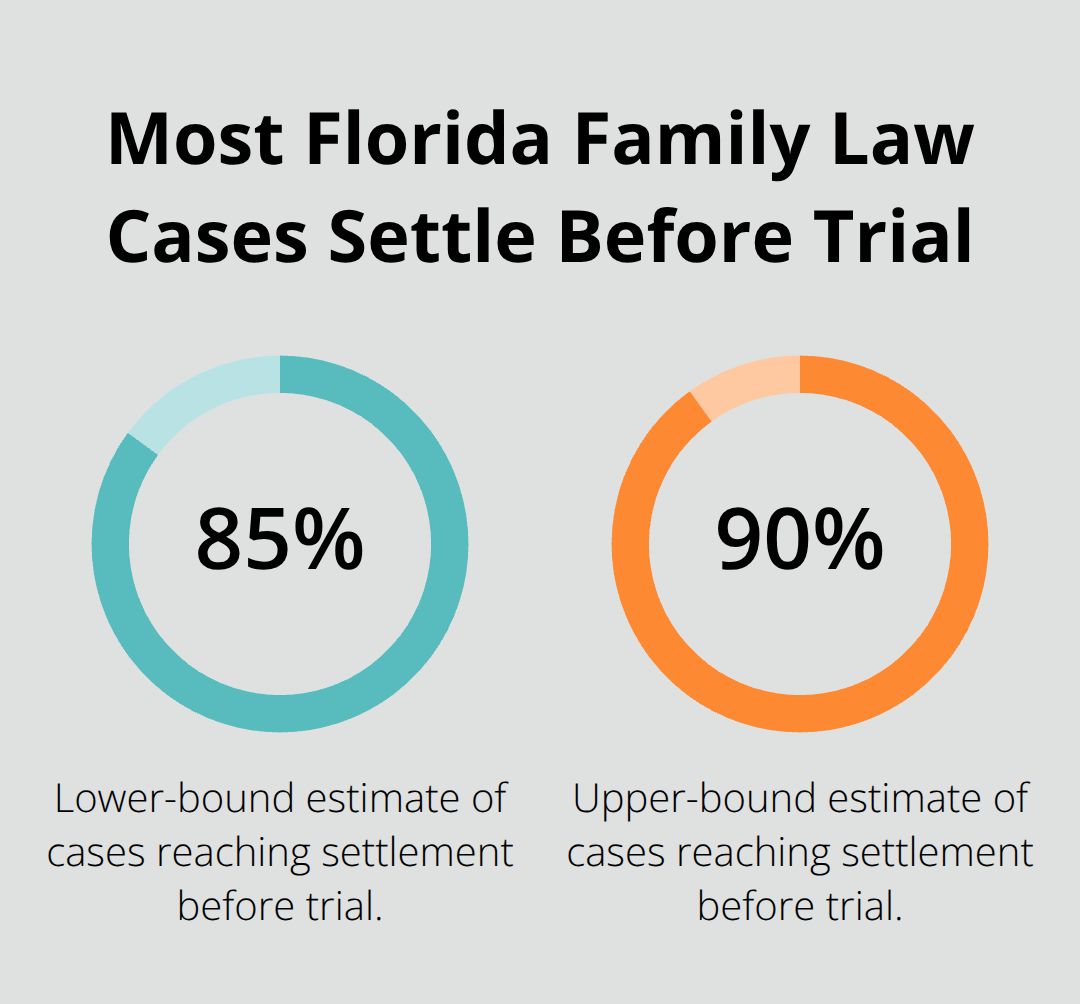
Settlement negotiations often occur during or immediately after discovery when both parties have sufficient information to evaluate their positions realistically. Most family law cases in Florida resolve through settlement rather than trial, with approximately 85 to 90 percent of cases reaching agreement before trial according to Florida court statistics. Your lawyer should present settlement proposals in writing, explaining the reasoning behind each term and how it compares to likely court outcomes. If your spouse’s attorney makes a counteroffer, your lawyer should analyze it against your priorities and Florida law requirements.
Child support calculations under Florida Statute 61.30 follow strict formulas based on both parents’ incomes, so your lawyer can show you exactly how proposed child support amounts compare to statutory guidelines. Property division settlements must account for contributions to asset acquisition and future needs according to Florida law, and your lawyer should explain how any proposed split aligns with these legal standards. If settlement discussions stall, your lawyer might recommend mediation with a neutral third party, which costs between $1,500 and $3,000 for a full day but often breaks deadlocks that would otherwise require expensive court trials.
Preparing for Trial
Trial preparation requires your lawyer to organize evidence, prepare witness testimony, and develop courtroom strategy. This phase intensifies in the months before trial, with increased meetings and preparation work that drives up legal costs substantially. Your lawyer should provide you with a trial timeline and explain what to expect in the courtroom, including how to dress, what questions opposing counsel might ask, and how judges in Brevard County typically approach your specific case type. Understanding these details reduces anxiety and positions you to present yourself effectively if your case reaches trial.
Final Thoughts
Working through a family law matter in Melbourne, Florida demands patience, clear communication, and realistic expectations about timelines and costs. The journey from your first consultation through settlement or trial involves multiple phases, each requiring specific preparation and strategic decisions. You’ve now seen how court structures affect your case, what documents matter most, how lawyers assess your situation, and what happens during negotiation and trial preparation. If you and your spouse reach agreement on custody, support, and property division, your case resolves faster and costs significantly less than contested litigation.
If disagreements persist, courts in Brevard County will make decisions based on Florida law, which prioritizes children’s best interests in custody matters and applies strict formulas for child support calculations under Florida Statute 61.30. Property division follows legal standards about contributions and future needs rather than automatic equal splits. After your lawyer secures final orders, your responsibilities continue-you must monitor compliance with court orders, maintain organized records of payments and custody exchanges, and contact your lawyer if circumstances change significantly.
Relocation plans, income changes, or custody disputes require legal review before you act, because violations of court orders carry penalties. Moving forward with confidence means having a lawyer who communicates clearly, explains your options honestly, and fights for your priorities throughout the process. At Harnage Law PLLC, we provide personalized attention to family law cases and deliver strategic counsel tailored to your situation-contact us to discuss your family law advice needs in Melbourne and begin your path toward resolution.