
Child Custody Lawyer Melbourne: How to Build a Strong Case
Our Blog
Child Custody Lawyer Melbourne: How to Build a Strong Case
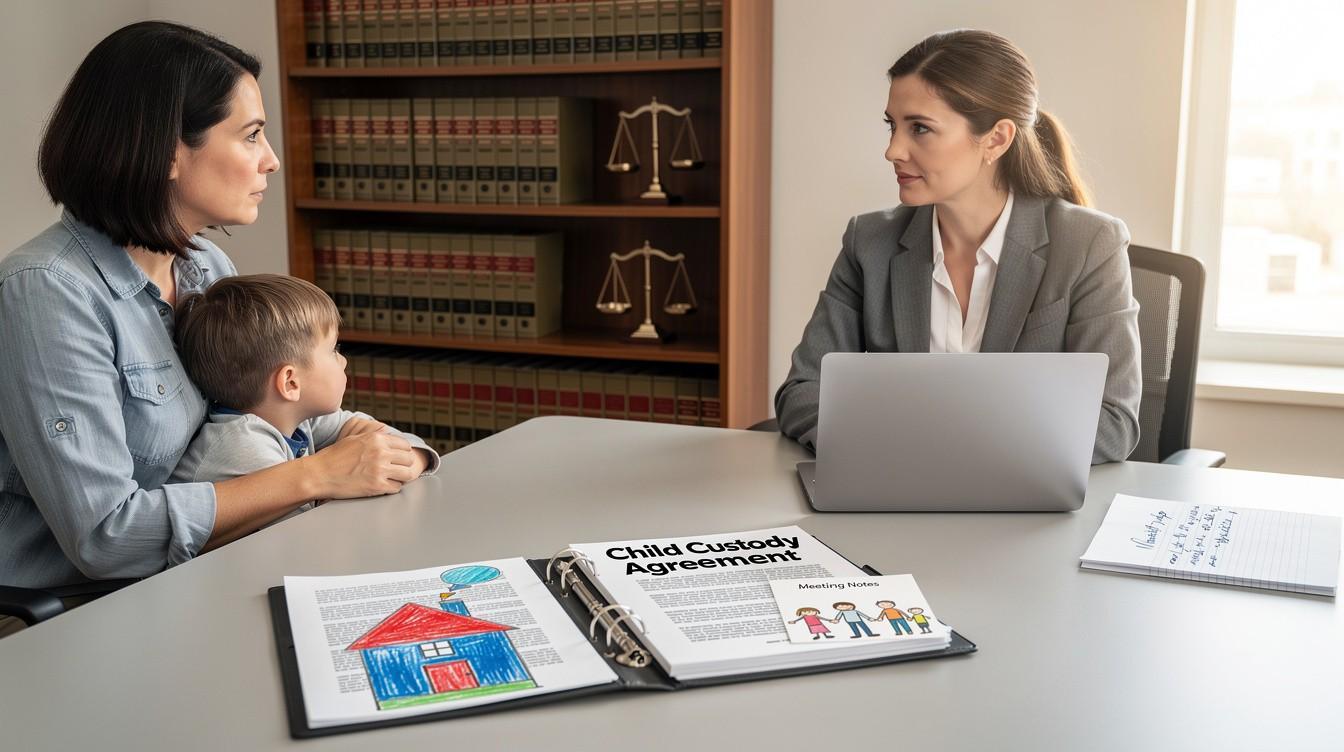
Child custody disputes demand solid evidence. Courts in Melbourne prioritize documentation that shows your involvement, stability, and commitment to your child’s wellbeing.
At Harnage Law PLLC, we’ve seen firsthand how thorough preparation separates strong cases from weak ones. This guide walks you through the specific evidence a child custody lawyer in Melbourne will need to build your strongest possible case.
Build a Paper Trail That Courts Take Seriously
Documentation wins custody cases. Courts in Melbourne don’t rely on your word or memory-they want tangible evidence of your involvement in your child’s life. Start with a parenting journal that captures daily interactions, school pickups, medical appointments, and activities you attend together. Write down dates, times, and what happened. A judge reviewing six months of consistent entries showing you attended every soccer practice, helped with homework, and managed pediatric visits will find this far more persuasive than a vague claim that you’re involved.
Track Your Daily Parenting Responsibilities
Create a simple system to track your parenting responsibilities. Use a calendar app, spreadsheet, or notebook-whatever method you’ll actually maintain consistently. Record school attendance, medical appointments you scheduled or attended, meal preparation, homework help, and bedtime routines.
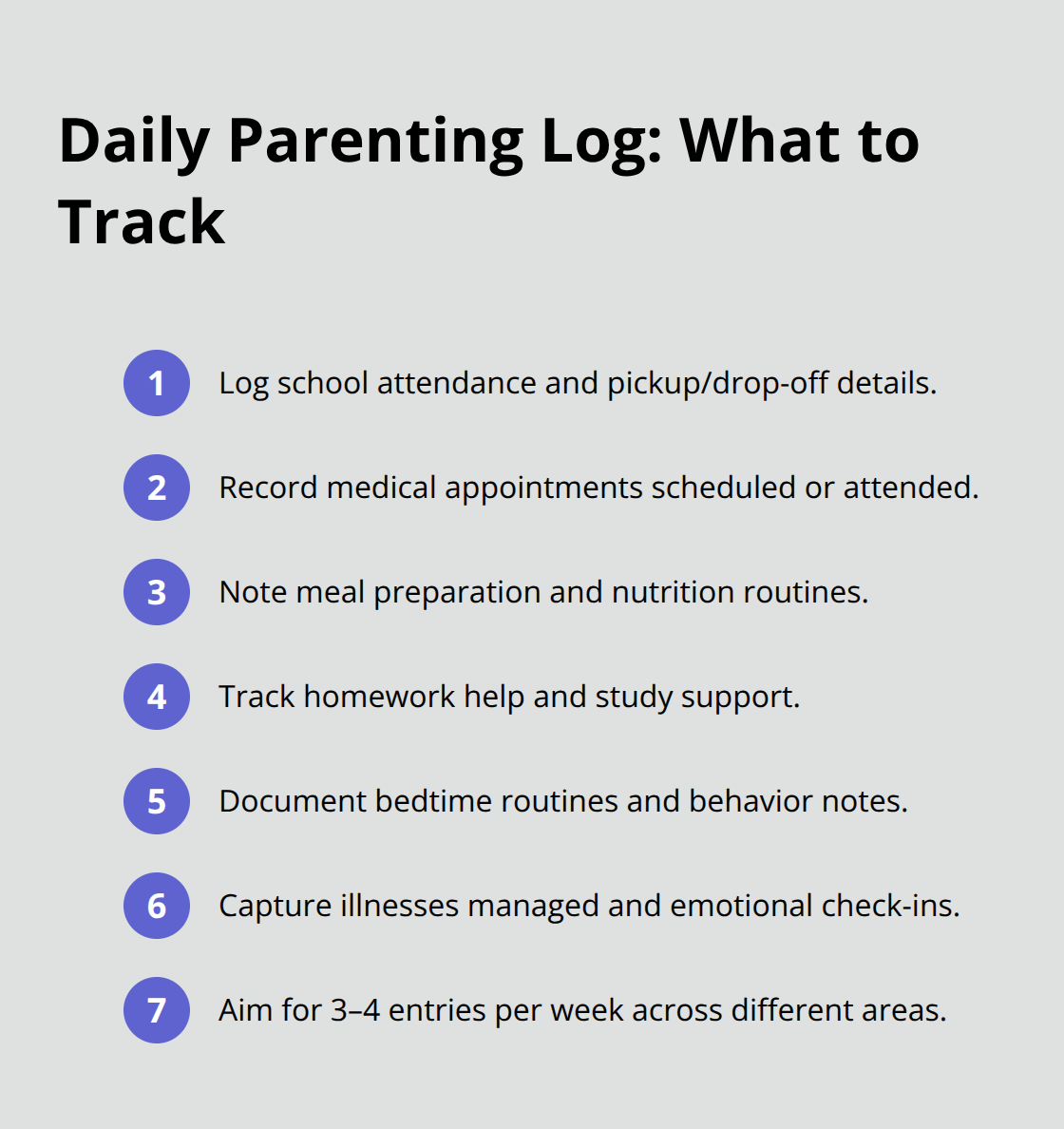
Document illnesses you managed, behavioral issues you addressed, and conversations about your child’s emotional wellbeing. This isn’t about perfection; it’s about demonstrating sustained, hands-on parenting. Courts see through sporadic documentation, so try for entries at least three to four times weekly covering different aspects of your child’s life.
Preserve Communication Records
Save all text messages, emails, and communication logs with the other parent regarding your child. These records show your willingness to cooperate on parenting matters and create an objective timeline of decisions you proposed or supported. If the other parent consistently ignores your suggestions about schooling or healthcare, those messages become evidence of your initiative and their lack of engagement. Store these communications in a secure location (cloud storage works well) and organize them chronologically so your lawyer can access them quickly.
Collect Visual and Video Evidence
Take photographs and videos of meaningful moments-your child’s school achievements displayed in your home, you helping with projects, family outings, or your child’s bedroom showing their comfort in your space. Videos of your child talking about activities you do together carry weight because they show the relationship from your child’s perspective, not just yours. These visual records (combined with your written documentation) create a comprehensive picture of your parental involvement that courts find difficult to dismiss.
Your documentation strategy now complete, the next step involves demonstrating your stability as a parent and the safe environment you provide for your child.
Show You’re Financially Stable and Provide a Safe Home
Courts examine your financial stability because children need consistent housing, food, healthcare, and educational resources. Melbourne family law judges want evidence that you can meet your child’s material needs without disruption. Gather your last two years of tax returns, recent pay stubs, and bank statements showing regular deposits and responsible spending patterns. If you own your home, include property documents and mortgage statements. Renters should provide lease agreements and proof of on-time payments.
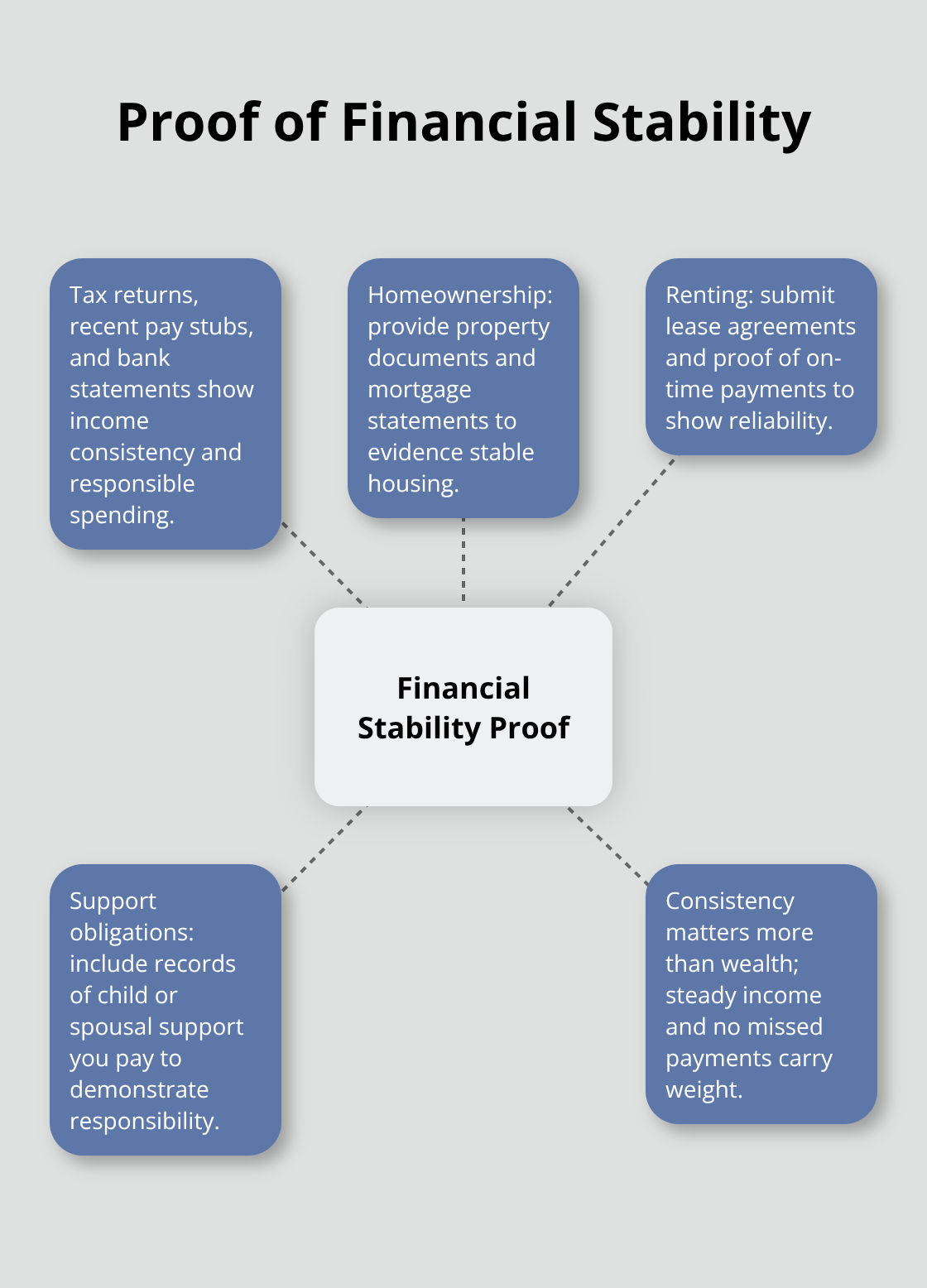
Courts don’t expect wealth-they expect reliability. A parent earning $45,000 annually with zero missed rent payments looks far stronger than someone earning $100,000 with eviction notices in their history. Document any child support or spousal support you currently pay, as this demonstrates financial responsibility and commitment to obligations.
Create a Safe Living Environment
Your living environment matters equally. Photograph your child’s bedroom, showing adequate space, appropriate furnishings, and safety features like working smoke detectors and secure storage for medications or dangerous items. Photograph common areas where your child spends time, the kitchen where meals happen, and outdoor spaces if available. Courts recognize that children thrive with stability, so document your neighborhood-nearby schools, parks, and community resources your child accesses. If you invested in your child’s comfort through items like a desk for homework or sports equipment, photograph these too.
Document Your Child’s Academic and Extracurricular Success
School records become critical evidence here. Obtain your child’s report cards, attendance records, and any teacher comments about academic progress or behavioral improvements. If your child participates in extracurricular activities (soccer, music lessons, debate team, coding classes), gather enrollment documents, payment receipts, and any certificates or awards earned. This documentation proves you prioritize your child’s development beyond basic care.
Gather Character References From People Who Know Your Parenting
Character references from teachers, coaches, and community members carry significant weight because they come from people observing your parenting without bias. Request written letters from your child’s teacher describing your involvement in school events, your child’s progress, and any positive changes they’ve noticed. Ask your child’s coach to comment on your attendance at practices and games, your child’s dedication, and your supportive presence. Include references from neighbors, family friends, or community members who’ve witnessed your parenting directly. These letters should be specific-not generic praise, but concrete observations like attending every soccer practice for eight months or helping your child overcome reading difficulties through consistent support.
The evidence you’ve now compiled paints a complete picture of your stability and commitment. Next, you’ll learn how to present evidence that directly addresses your child’s best interests-the factor courts weigh most heavily in custody decisions.
What Courts Really Want to See About Your Child’s Best Interests
Courts in Melbourne place your child’s best interests above everything else in custody decisions. This means showing that you actively participate in healthcare and education decisions that directly benefit your child’s development and wellbeing. Collect documentation that proves you scheduled medical appointments, attended pediatric visits, managed vaccinations, and followed up on health concerns. If your child has asthma, allergies, or other ongoing conditions, document how you monitor treatment and communicate with healthcare providers. For education, gather emails you sent to teachers asking about progress, notes from parent-teacher conferences you attended, and evidence you helped select schools or tutoring services.
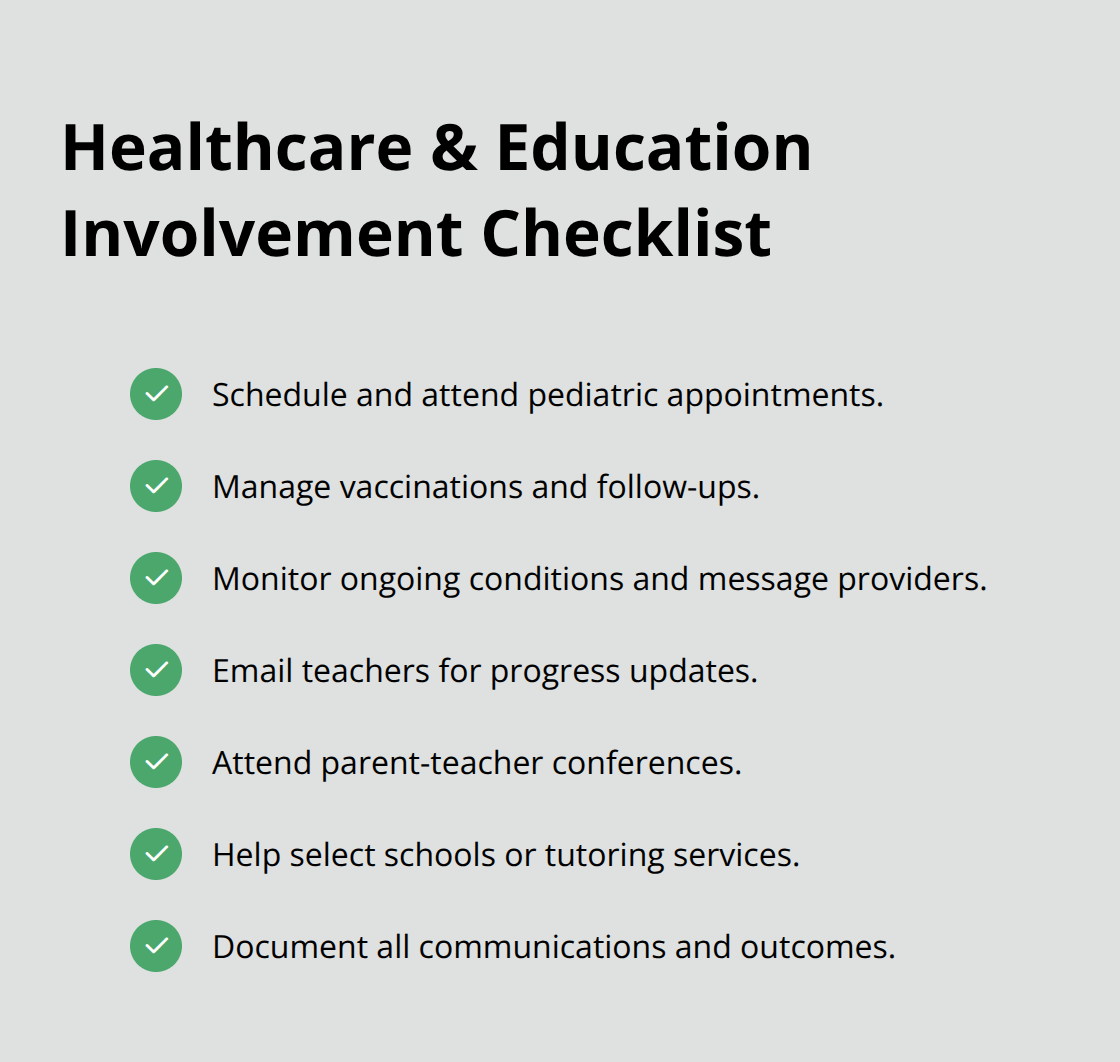
Courts view parents who actively shape their child’s medical and educational trajectory as more invested than those who simply react to crises.
Show Your Active Role in Healthcare and Education
Courts recognize parents who initiate healthcare improvements and educational support. If you arranged counseling for your child after a difficult family event or researched specialized programs for learning differences, that initiative becomes powerful evidence. Document conversations with your child’s pediatrician or school counselor where they acknowledged your involvement and commitment to your child’s development. These records show you don’t wait for problems to escalate-you act proactively to support your child’s health and academic success.
Build Evidence of Your Relationship Strength
The relationship between you and your child matters more than any financial document or home inspection. Video recordings of your child discussing activities you share together, hobbies you enjoy as a pair, or conversations about your child’s future carry tremendous weight because judges hear directly from your child about the bond you’ve built. Collect photos that show genuine moments of connection rather than staged pictures. If your child confides in you about friendships, school stress, or personal challenges, document these conversations in your parenting journal with specific details about how you supported them through difficult situations. Teachers and coaches often notice which parent maintains deeper connection with their child, so their character references should specifically mention your child’s comfort level talking with you or seeking your advice. A child who runs to you first when upset, shares their day with you, or seeks your approval on decisions demonstrates a relationship courts recognize as meaningful and worthy of protection.
Address the Other Parent’s Limitations With Facts
Documentation of the other parent’s fitness gaps must be factual and specific, never emotional or exaggerated. If the other parent consistently misses scheduled visitation, save the text messages confirming those plans and their cancellations. If they fail to provide required child support, gather payment records from the court or your bank showing missed or late payments. If they miss important school events or medical appointments despite notification, document your attempts to inform them with dated emails or messages. Courts take seriously parents who neglect their obligations, but only when you present clear evidence of the pattern. Avoid character attacks or subjective claims about their parenting style. Instead, focus on concrete actions that affect your child’s welfare: missed healthcare appointments they held responsibility for, failure to help with homework despite agreements to do so, or lack of involvement in school activities. If safety concerns exist (such as substance abuse issues or concerning behavior around your child), you’ll need documentation beyond accusations. Police reports, court records, or professional evaluations carry weight. Harnage Law PLLC helps clients distinguish between legitimate fitness concerns and allegations that won’t influence custody outcomes, ensuring your case focuses on evidence that actually matters to judges.
Final Thoughts
The documentation you compile throughout this process creates an undeniable record of your parental involvement, stability, and commitment to your child’s wellbeing. Courts in Melbourne base custody decisions on concrete evidence, not promises or good intentions. Your parenting journal, financial records, character references, and documentation of healthcare and educational involvement work together to demonstrate that your child’s best interests align with your custody request.
Building a strong custody case requires more than collecting documents-it demands strategic presentation of that evidence in ways that resonate with how judges evaluate parental fitness. A child custody lawyer Melbourne can assess which documentation carries the most weight for your specific situation, identify gaps in your evidence, and help you strengthen weak areas before court proceedings begin. The difference between a case that succeeds and one that falters often comes down to how effectively your evidence is organized and presented.
Contact Harnage Law PLLC to discuss your situation and begin building the strongest possible case for custody of your child. Our team provides aggressive legal representation in sensitive family law cases, helping clients navigate complex custody matters. We work with you to develop a comprehensive strategy that transforms your documentation into a compelling case for the court.