
Child Custody Battles Melbourne: Strategies to Protect Your Kids
Our Blog
Child Custody Battles Melbourne: Strategies to Protect Your Kids
Child custody battles in Melbourne Florida can feel overwhelming when you’re fighting to protect your children’s wellbeing. The decisions you make now will shape your kids’ future, which is why having a clear strategy matters.
We at Harnage Law PLLC understand what’s at stake. This guide walks you through the legal landscape, shows you how to build a stronger case, and gives you practical steps to shield your children from the stress of custody disputes.
Understanding Child Custody Laws in Melbourne Florida
Types of Custody Arrangements Available
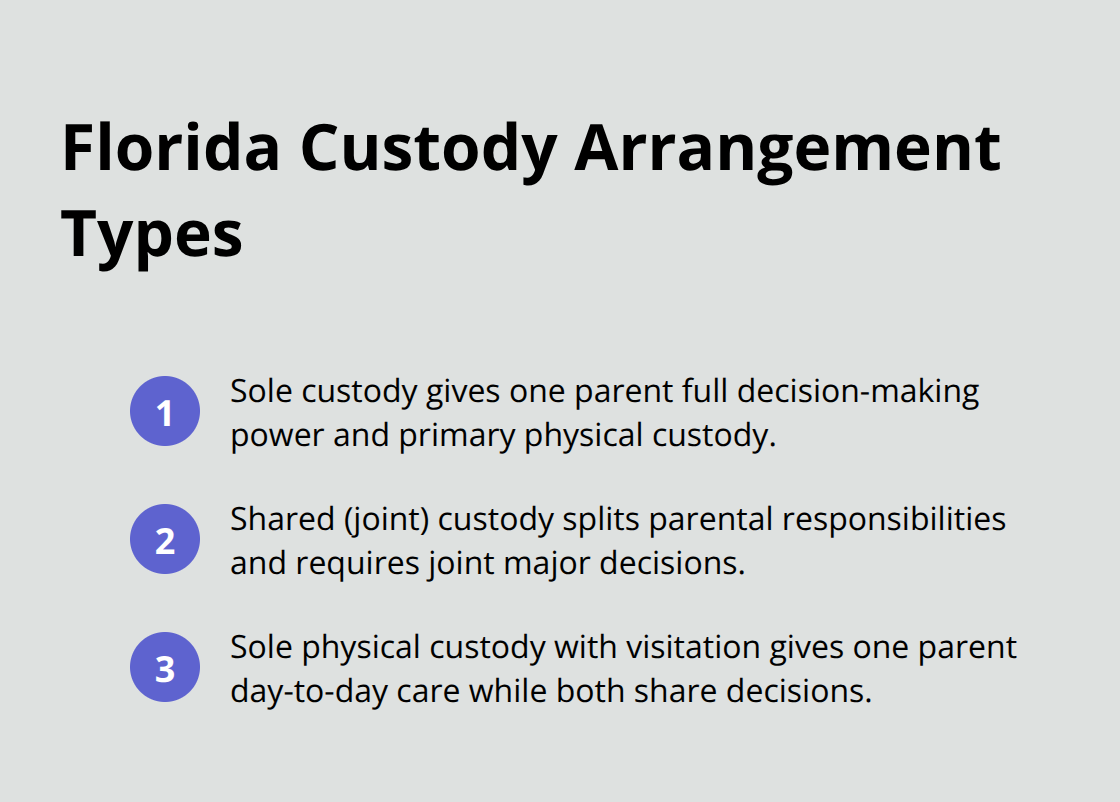
Florida courts recognize three primary custody structures that work differently depending on your family’s circumstances. Sole custody grants one parent full decision-making authority and primary physical custody, meaning the child lives with that parent while the other typically receives scheduled visitation. Shared custody, called joint custody in Florida, splits parental responsibilities between both parents, requiring them to make major decisions together about education, healthcare, and religion. The third option is sole physical custody with visitation rights, where one parent has day-to-day care while both parents share decision-making responsibilities. Florida courts don’t automatically favor one arrangement over another-your situation determines what works best for your children.
How Florida Courts Evaluate What’s Best for Your Child
Florida statute 39.013 outlines the specific factors judges consider when deciding custody arrangements. Courts examine each parent’s relationship with the child, the child’s adjustment to home and school, the mental and physical health of everyone involved, and the child’s own preferences if they’re old enough. Judges also look at which parent is more likely to encourage contact with the other parent, domestic violence history, and substance abuse issues. Stability matters significantly-children who have established routines, consistent schools, and familiar environments fare better in custody evaluations. If one parent has been the primary caregiver, that history carries substantial weight. Courts in Brevard County and surrounding areas increasingly consider the child’s wishes when they reach their teenage years, though younger children’s preferences typically carry less influence. The judge won’t simply rubber-stamp what either parent wants; they’ll examine the actual evidence of who provides better care and stability.
Your Rights and Obligations as a Parent
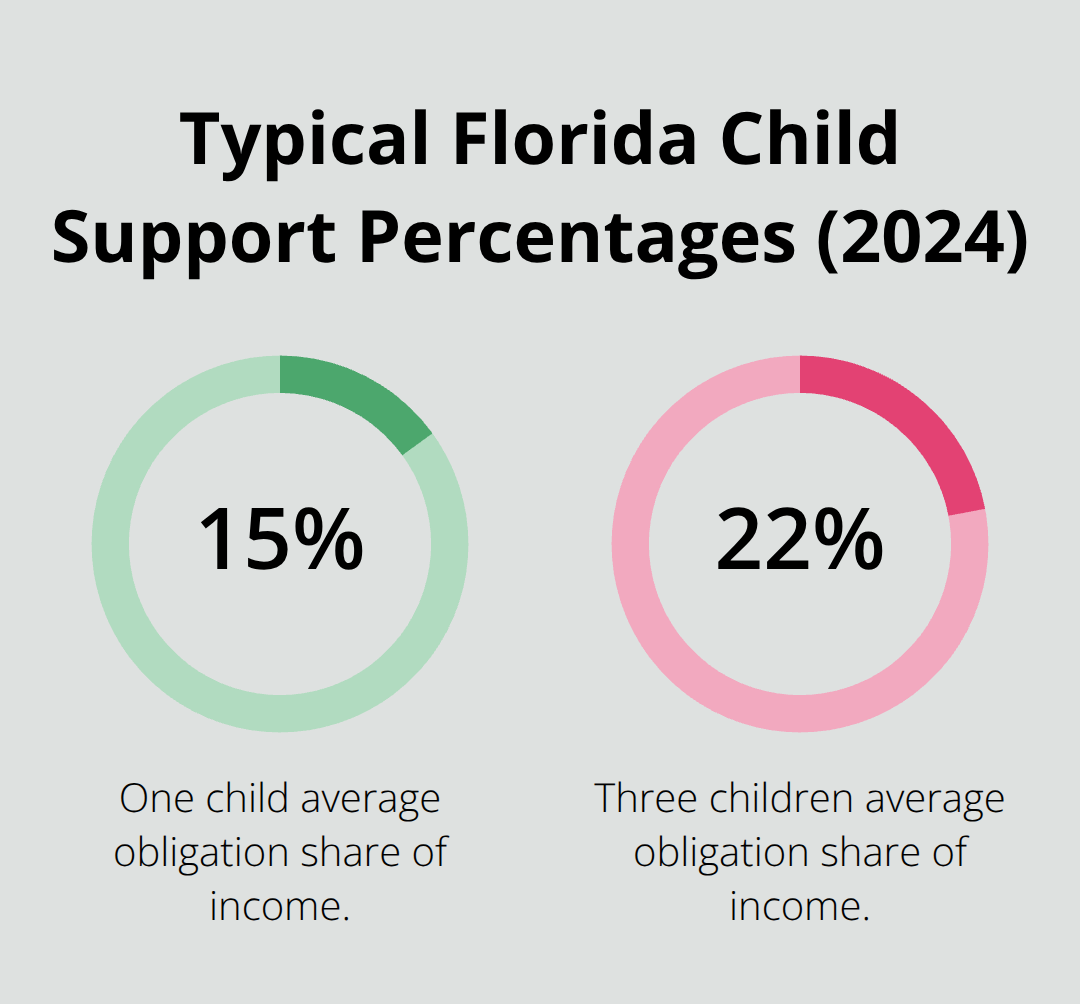
Both parents retain fundamental rights regardless of custody arrangements, including the right to have meaningful contact with your child and the right to participate in major decisions affecting their welfare. Your obligations include providing financial support through child support payments, maintaining a safe living environment, and following the custody schedule established by the court. Florida law requires parents to pay child support based on income guidelines (as of 2024, the average child support obligation ranges from 15 percent of income for one child to 22 percent for three children, depending on custody arrangements and each parent’s earnings). Even if you don’t have physical custody, you remain responsible for your child’s welfare and must keep them safe during your time together. Courts expect both parents to support the child’s relationship with the other parent unless safety concerns exist.
Violations of custody orders or failure to pay child support result in contempt charges, fines, and in extreme cases, jail time.
Building Your Case With Documentation
The strength of your custody case depends heavily on the evidence you gather and present to the court. Courts don’t make decisions based on what you claim-they base them on what you can prove with documentation, communications, and records. The next section shows you exactly what types of evidence matter most and how to organize it effectively for your case.
Documentation and Evidence That Strengthens Your Case
Keeping Records That Courts Actually Value
Florida courts make custody decisions based on documented facts, not arguments or promises. Judges in Brevard County see hundreds of custody cases annually and recognize which evidence carries weight versus what gets dismissed. Start keeping a detailed parenting journal immediately, recording the dates and times you spend with your children, activities you do together, meals you prepare, homework help you provide, and medical appointments you attend. This journal becomes invaluable because it shows patterns of involvement over months, not isolated moments. Courts weight consistency heavily-a parent who shows up reliably for school pickups and maintains routines proves their commitment far better than someone who makes occasional grand gestures.
Creating Visual Documentation of Your Home
Photograph your home environment regularly to document cleanliness, safety measures, and child-appropriate spaces. Take pictures of your children’s rooms, the kitchen where you prepare meals, and any safety features you’ve installed. When custody disputes arise, judges want visual proof that your home meets basic standards for child welfare, not just your word that it does. These photographs provide concrete evidence that courts can reference during hearings.
Using Communications to Demonstrate Parental Fitness
Communications between you and the other parent matter significantly because they reveal how you handle conflict and whether you prioritize your child’s wellbeing. Text messages, emails, and custody app records showing you discussing your child’s needs, school events, or health concerns demonstrate maturity and focus on the child rather than the conflict. Save all messages from teachers, doctors, and coaches that praise your parenting or document your involvement in your child’s life. These third-party communications carry substantial weight with judges.
Gathering Medical, School, and Financial Records
Medical records showing you as the listed parent or emergency contact, school records indicating you attend parent-teacher conferences, and vaccination records you maintained all strengthen your position. If your child receives counseling or therapy, those records often become critical evidence about your child’s adjustment and which parent supports their emotional health. Gather any documentation showing financial responsibility-records of child support payments made on time, receipts for school supplies and activities you fund, and insurance policies you maintain for your child. Courts view parents who meet their financial obligations as more credible across all other parenting matters.
Organizing Evidence for Maximum Impact
Organize these documents in chronological order before your case proceeds, making it easy for your attorney to reference specific evidence when needed. This preparation becomes essential as your case moves into the next phase, where you’ll need to present this evidence strategically and understand how to shield your children from the stress that custody disputes create.
Protecting Your Children While Courts Decide
Understanding How Conflict Affects Your Child
Custody disputes create stress that children absorb whether you shield them or not. The American Academy of Pediatrics reports that children exposed to parental conflict experience higher rates of anxiety, depression, and behavioral problems, regardless of custody arrangements. Your responsibility extends beyond winning the case to protecting your child’s mental health during the process. This means maintaining routines your children depend on, keeping your home a conflict-free zone, and ensuring they understand the custody dispute isn’t their fault or their problem to solve.
Protecting Your Child During Custody Time
When you pick up your child, they shouldn’t hear complaints about the other parent or questions designed to gather information for your case. Courts in Brevard County have seen firsthand how children suffer when parents weaponize custody time, and judges notice which parent prioritizes the child’s wellbeing versus which parent uses custody as leverage. Establish firm boundaries with yourself: your child’s time with you focuses on their needs, not your litigation strategy.
Communicating Appropriately About the Court Case
If your child asks about the court case, keep explanations age-appropriate and factual without criticizing the other parent. Children aged six to twelve need simple reassurance that both parents love them and that the court will make decisions about where they live. Teenagers need honest but limited information, understanding that adult decisions aren’t their responsibility.
Maintaining Stability and Routine
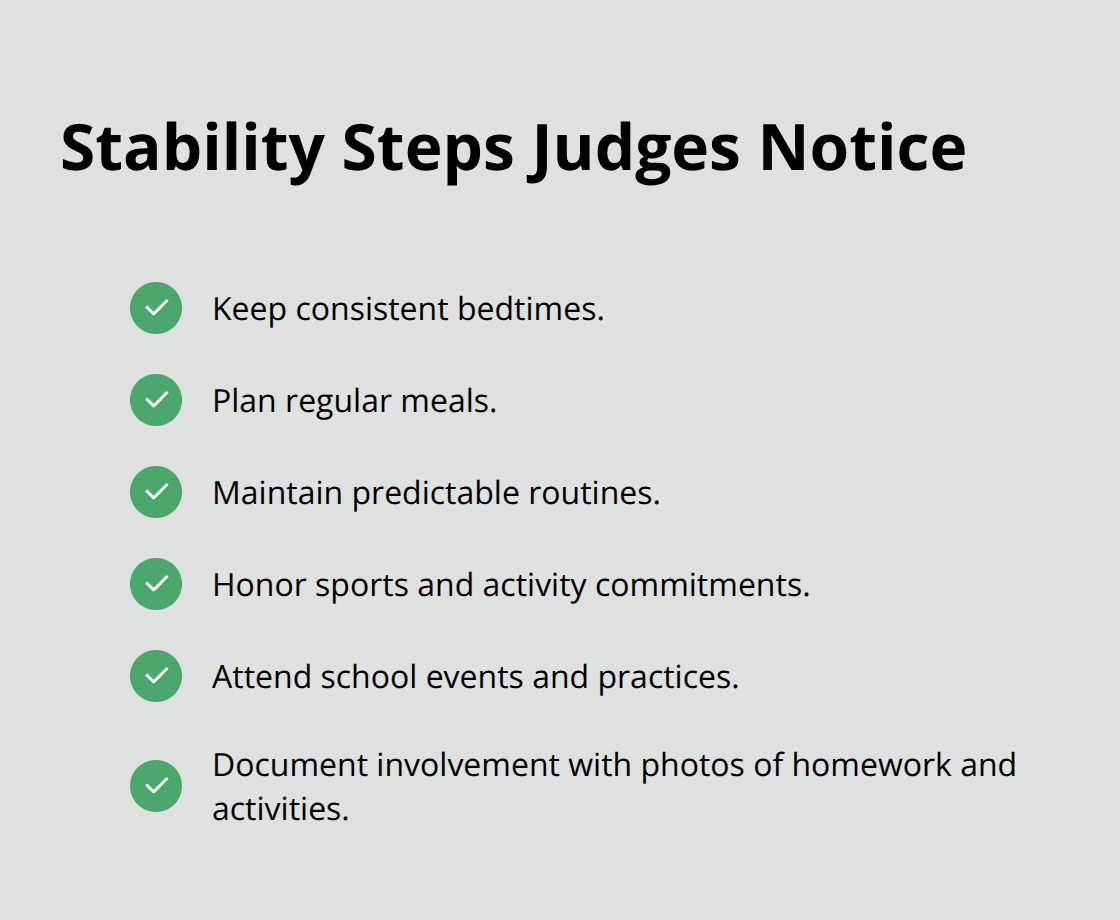
Your home becomes your strongest evidence during custody disputes, which means stability matters more than perfection. Maintain consistent bedtimes, regular meals, and predictable routines because children thrive on structure and courts recognize this. If your child plays soccer on Thursdays or has piano lessons on Tuesdays, keep those commitments even if scheduling conflicts arise with your attorney’s availability. Schools and activity leaders document which parent attends events, and that record becomes part of the court’s evaluation. Document your involvement through photos of homework sessions, school projects you help complete, and activities you attend together.
When custody disputes drag on for months, children need continuity in their daily lives more than ever. Your attorney should guide you toward settlement discussions and mediation when appropriate, recognizing that lengthy court battles inflict real damage on children. Courts increasingly favor parents who demonstrate willingness to resolve disputes cooperatively, partly because judges understand the toll litigation takes on children. Request that your attorney explain how each litigation decision affects your child, not just your legal position. This perspective shift separates parents who win cases from parents who protect their children while resolving custody matters.
Final Thoughts
Child custody battles in Melbourne Florida demand strategy that protects your children while securing your parental rights. The documentation you gather, the stability you maintain, and the decisions you make during litigation directly impact your children’s wellbeing and your case outcome. Courts recognize which parents prioritize their children’s emotional health over winning at all costs, and that recognition influences how judges evaluate custody arrangements.
Your children need you to stay focused on what matters most: their safety, their routines, and their relationship with both parents. The evidence you’ve collected through parenting journals, communications, and records becomes your foundation, but your actions during the custody process matter equally. When you shield your children from conflict, maintain consistent routines, and avoid weaponizing custody time, you demonstrate the parental fitness that courts value most.
The complexity of Florida custody law and the emotional weight of these disputes make professional guidance invaluable. We at Harnage Law PLLC handle sensitive family law cases including child custody matters, providing the aggressive representation and personalized attention your case requires. Contact Harnage Law PLLC to discuss your custody situation and develop a strategy that protects both your parental rights and your children’s wellbeing during this challenging time.