
Do You Have to Get a Lawyer for a Divorce?
Our Blog
Do You Have to Get a Lawyer for a Divorce?

Divorce doesn’t always require a lawyer, but the right legal guidance can protect your interests and prevent costly mistakes. Whether you’re facing a straightforward split or complex asset division, understanding when you need representation matters.
At Harnage Law PLLC, we help Florida residents navigate this decision based on their specific situation. This guide breaks down when you can handle divorce paperwork yourself and when hiring a lawyer becomes essential.
When You Can Skip the Lawyer
Uncontested Divorces Without Children
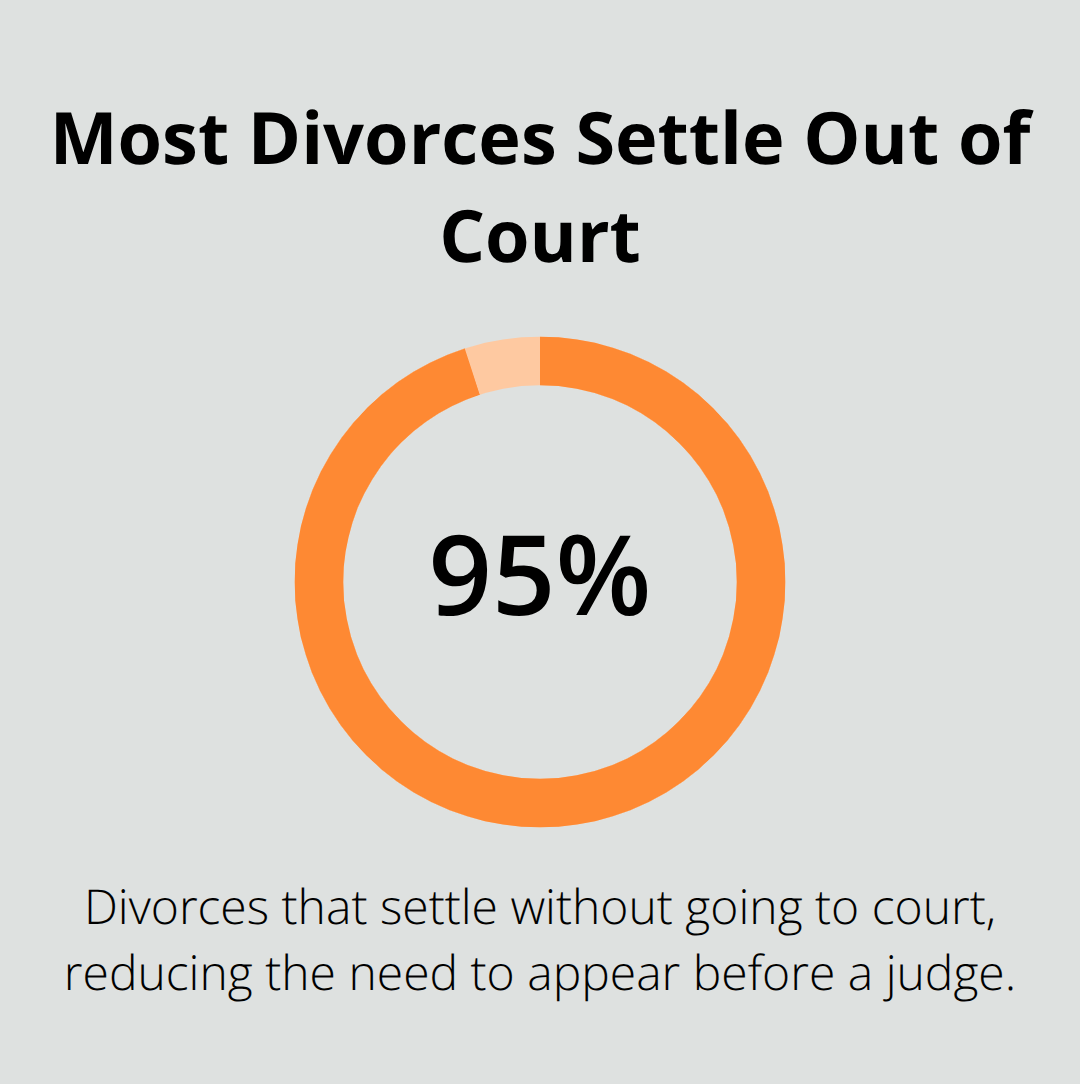
Uncontested divorces without children represent the clearest scenario where self-representation works. About 95% of divorces settle without going to court, which means most people never face a judge. If both spouses agree on everything-no disagreements about property, no custody battles, no spousal support disputes-the paperwork becomes straightforward administrative work. Florida allows you to file for divorce without an attorney when there’s genuine agreement.
The process involves completing standard forms, paying filing fees typically between $300 and $500, and submitting documents to the court. Many counties provide self-help resources and templates specifically designed for uncontested cases.
The real danger emerges when couples believe they agree but haven’t properly inventoried their finances. Even simple divorces require documenting all bank accounts, retirement funds, real estate, and debts. Missing a retirement account or overlooking a joint credit card means that asset or debt won’t be divided in the final judgment-it stays with whoever’s name is on it.
Simple Property Division and Financial Transparency
Simple property division agreements work only when spouses have minimal assets and full transparency about income. A couple with one house, no business interests, and straightforward W-2 income can reasonably negotiate terms themselves. However, Florida courts require accurate financial affidavits, and mistakes here create problems. The Annual Income Worksheet and Child Support Worksheet-required even in uncontested cases-demand precision about gross income, deductions, and financial obligations. One spouse underreports income or hides a side business, and agreements become invalid later.
The biggest mistake couples make is assuming agreement means protection. One party might discover post-divorce that they waived rights to a pension, missed tax implications of asset division, or failed to address insurance continuation. These oversights cost thousands in future disputes.
When Self-Representation Makes Sense
Self-representation makes sense only for couples with genuine agreement, complete financial disclosure, no children involved, and minimal assets. Even then, spending a few hundred dollars on attorney review of your settlement agreement prevents far costlier corrections down the road. The financial complexity increases dramatically once business ownership, significant retirement accounts, or income disparities enter the picture-situations that demand professional attention to protect your long-term security.
Risks of Divorcing Without Legal Representation
Paperwork Mistakes That Courts Reject
Florida courts reject documents with incomplete financial disclosures, missing signatures, or incorrect income calculations, forcing you to refile and pay additional filing fees. The Annual Income Worksheet alone trips up self-represented filers regularly because it requires gross income before deductions, not take-home pay. One mistake here throws off child support and spousal maintenance calculations, potentially leaving you obligated for thousands more than a fair settlement would require.
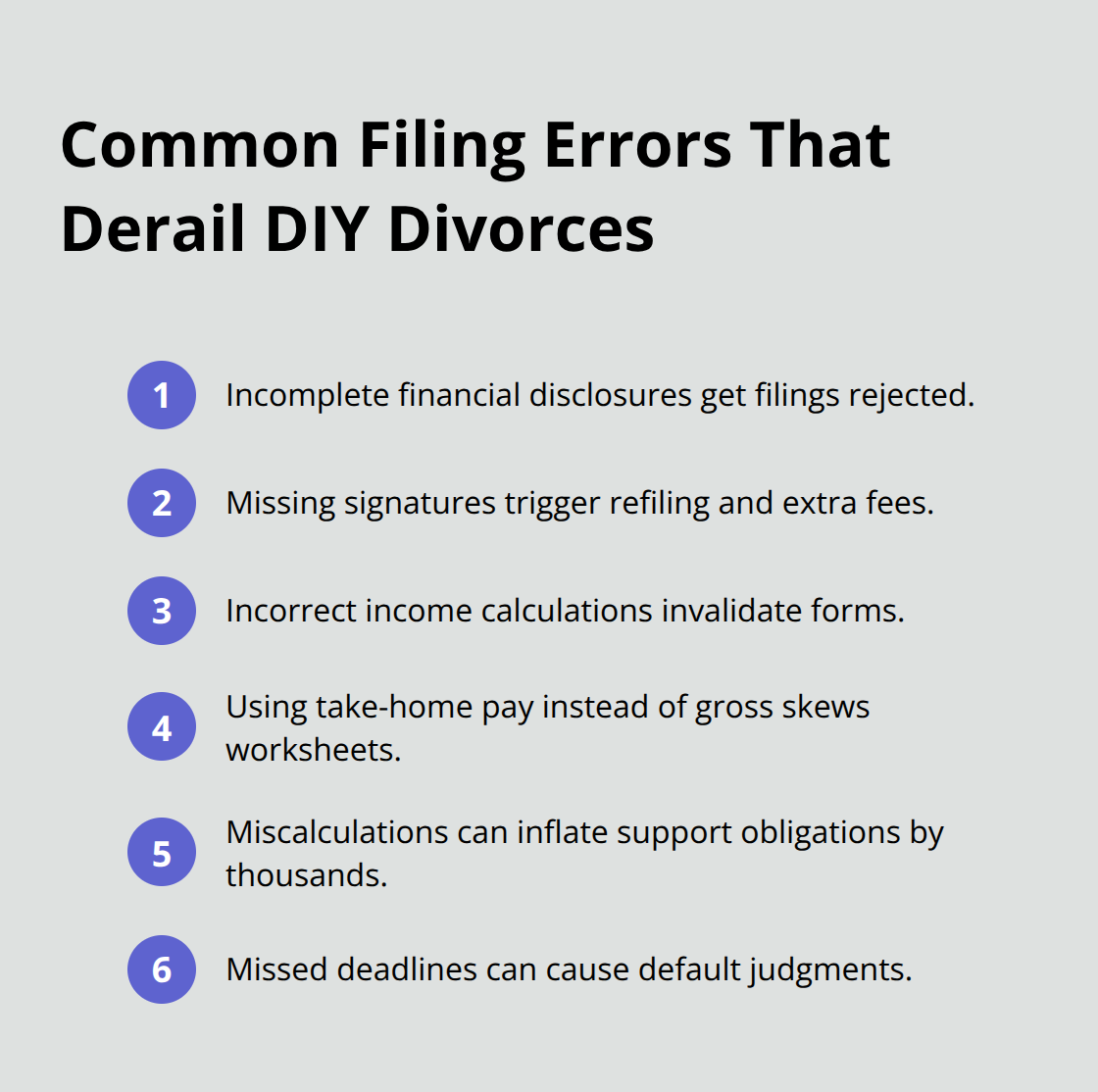
Court deadlines in Florida divorces are strict-missing a response deadline by even one day results in default judgment against you, meaning the other party’s requests get granted automatically. The CDC reported 630,505 divorces in 2020, and while most settle, the ones that fail because of procedural errors become far more expensive to fix.
Settlement Agreements That Favor the Other Party
Self-represented spouses often sign away rights without understanding what they’re losing. A spouse earning double your income might seem willing to split assets fifty-fifty, but without professional review, you miss that they own a business with hidden value, have undisclosed retirement accounts, or have structured their income to appear lower than it actually is. Courts in Florida won’t reopen a settlement agreement just because you later realized you made a bad deal-the judgment stands. Even in genuinely cooperative divorces, one party’s lack of understanding about long-term implications creates problems. Taking the marital home while your spouse takes retirement accounts sounds equal until you realize property taxes and maintenance costs drain your finances while their retirement account grows tax-deferred.
The True Cost of DIY Divorce Mistakes
The average cost of a divorce runs around fifteen thousand dollars, yet many people try to save a thousand or two on legal fees only to spend five times that amount correcting mistakes or fighting modification battles later. Couples waste years in post-divorce disputes trying to modify agreements that were poorly drafted from the start. These corrections demand court filings, attorney time, and emotional energy that a properly drafted agreement would have prevented entirely. The financial and emotional toll of fixing a bad divorce settlement far exceeds the cost of getting it right the first time.
When your situation involves complex assets, significant income differences, or any disagreement about terms, the risks of self-representation multiply dramatically.
When You Need a Lawyer
Hiring a lawyer becomes necessary the moment your divorce involves complexity beyond a basic property split or when disagreement exists between spouses. Business ownership, significant retirement accounts, real estate holdings beyond a primary residence, or substantial income differences all require professional guidance to protect your financial future. Florida courts divide marital property equitably, not equally, meaning a judge considers numerous factors when assets are contested or complex. Without legal representation, you risk accepting settlements that undervalue your share or fail to account for future earning potential. A business owner earning two hundred thousand dollars annually versus a spouse earning fifty thousand creates maintenance and child support calculations that demand careful analysis of income, business structure, and tax implications.
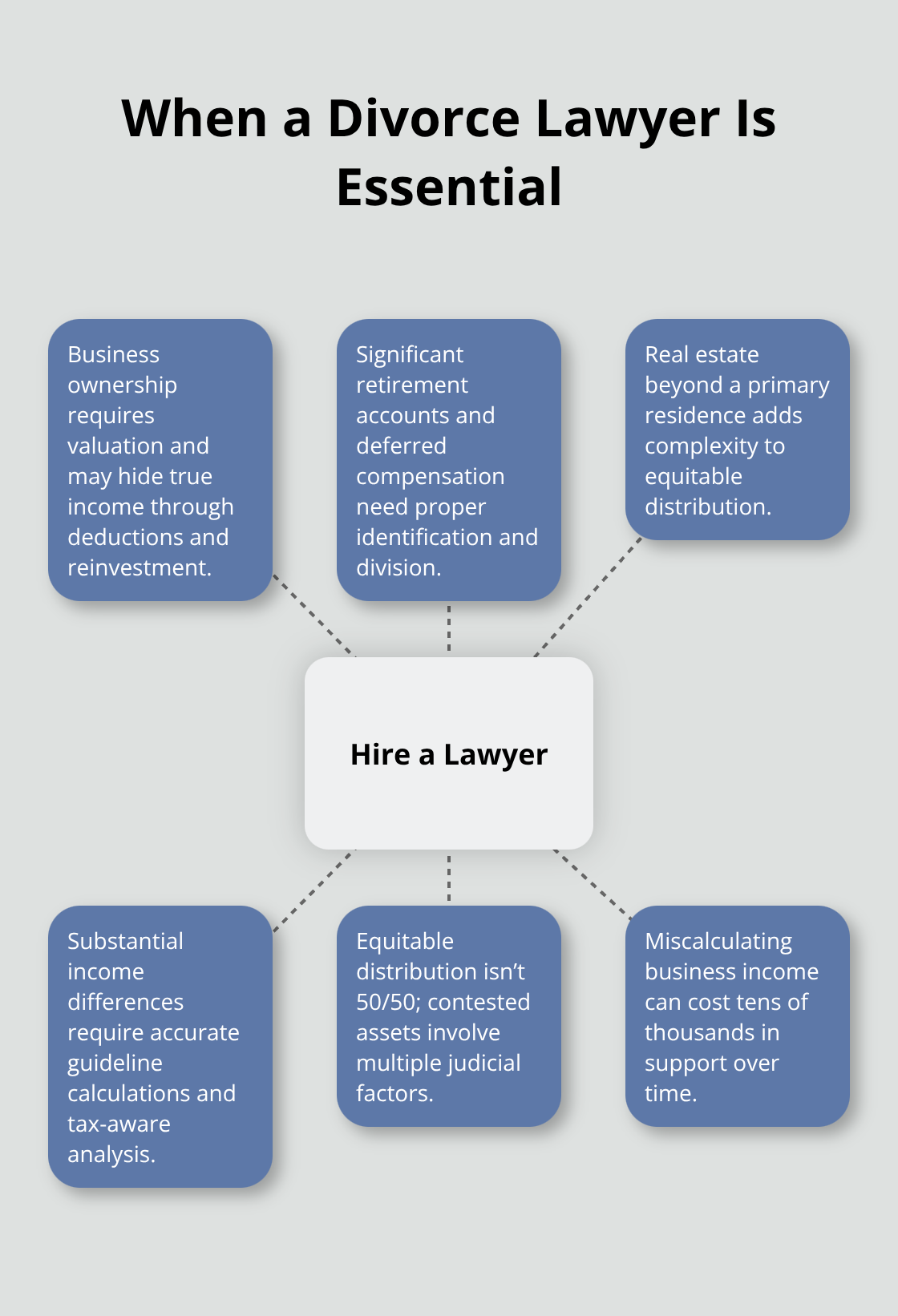
One miscalculation in how business income gets counted can cost you tens of thousands in spousal support over the life of the obligation.
Hidden Assets and Business Valuation
Business ownership complicates divorce dramatically because business value isn’t always obvious from tax returns. A spouse might operate a service business that generates significant cash flow while showing minimal profit on paper through deductions and reinvestment strategies. Florida courts require business valuation by qualified professionals, yet self-represented spouses often accept whatever figure their spouse proposes. A lawyer ensures your interests include forensic accounting when necessary to uncover actual business value. The same applies to retirement accounts, stock options, and deferred compensation arrangements that many professionals structure to appear less valuable than they actually are. Courts won’t modify agreements later just because you failed to identify these assets during divorce proceedings.
Child Custody Disputes and Parenting Plans
Any disagreement about custody demands legal representation because Florida courts make these decisions based on the child’s best interest, not parental preference. One parent insisting on fifty-fifty custody while the other wants primary custody creates a contested matter that requires evidence, testimony, and strategic presentation of parenting capabilities. Child support calculations flow directly from custody arrangements, so disputes over custody automatically create disputes over financial obligations. A parent who loses custody without proper legal advocacy might end up paying child support that far exceeds what a negotiated agreement would require. Courts consider factors like work schedules, parental involvement, stability, and the child’s existing relationships when determining custody, and presenting this evidence effectively demands legal skill. If your spouse has substance abuse issues, a history of instability, or other concerns affecting the child’s welfare, documentation and strategic presentation become essential to protecting your parenting rights.
Income Disparities and Support Calculations
Significant income differences between spouses create complex maintenance and child support obligations that self-represented filers frequently miscalculate. Florida’s support guidelines consider gross income, which includes bonuses, commissions, and business profits-not just base salary. A spouse earning substantially more than you might structure compensation through retirement contributions, deferred income, or business expenses to reduce apparent income. A lawyer identifies these income-hiding tactics and presents accurate financial pictures to the court. The difference between accepting a spouse’s income claim and having it professionally analyzed can mean hundreds of dollars monthly in support obligations over years or decades. Courts base permanent alimony decisions partly on income disparity, and underestimating a spouse’s actual earning capacity locks you into inadequate support amounts that courts rarely modify later.
Final Thoughts
The answer to whether you have to get a lawyer for a divorce depends entirely on your situation. Simple uncontested divorces without children or significant assets can proceed without legal representation if both spouses maintain complete financial transparency and genuine agreement on all terms. However, the moment complexity enters the picture-business ownership, substantial income differences, child custody disagreements, or hidden assets-legal representation becomes essential to protect your financial future and parental rights.
Courts will not reopen settlements because you later realized you waived pension rights, missed tax implications, or failed to account for a spouse’s actual earning capacity. These oversights cost thousands in future disputes and modifications that proper legal guidance would have prevented entirely. The average divorce costs around fifteen thousand dollars, yet many people attempt to save a thousand or two on legal fees only to spend five times that amount correcting preventable errors (errors that a lawyer identifies before you sign anything).
A lawyer identifies hidden assets, ensures accurate income calculations for support obligations, presents evidence effectively in custody disputes, and drafts settlement agreements that protect your long-term interests. If you’re uncertain whether your situation requires legal counsel, contact Harnage Law PLLC for a consultation to discuss your specific circumstances and determine the right path forward.