
What Are the Main Reasons for Divorce?
Our Blog
What Are the Main Reasons for Divorce?

Divorce rarely happens overnight. Most marriages end because of patterns that build over months or years, and understanding the main reasons for divorce helps couples recognize warning signs before it’s too late.
At Harnage Law PLLC, we’ve seen firsthand how infidelity, financial stress, and communication breakdowns destroy relationships in Melbourne, Florida. This guide walks you through the most common triggers so you can identify what’s happening in your own marriage.
Why Infidelity Destroys More Than Just Trust
Infidelity appears in roughly 55% of divorces according to research from the PREP study, making it one of the most devastating relationship failures. What makes infidelity particularly destructive in Melbourne, Florida divorces is that it operates on multiple levels simultaneously.
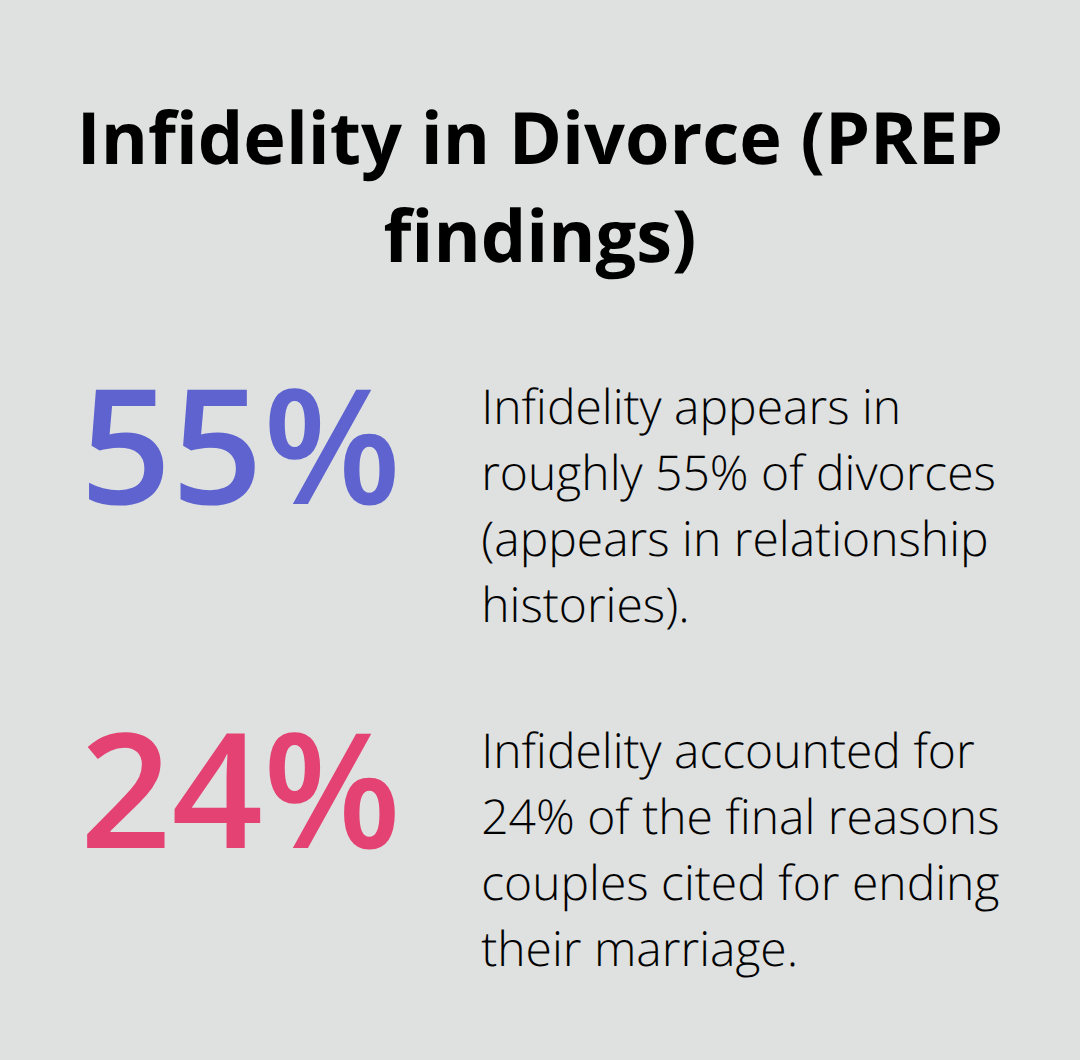
The emotional betrayal alone fractures the foundation of a marriage, but infidelity also triggers financial consequences that many couples don’t anticipate until separation begins. When one partner has been unfaithful, the other partner often becomes hypervigilant about finances, questioning whether money was spent on the affair, whether joint assets were hidden, or whether debts were accumulated without consent. This financial scrutiny compounds the emotional damage and makes divorce settlements significantly more contentious. The PREP research found that infidelity accounted for 24% of the final reasons couples cited for ending their marriage, meaning it often represents the breaking point rather than an isolated incident.
How Infidelity Multiplies Financial Damage
Financial consequences of infidelity extend far beyond the affair itself. Partners who discover infidelity typically scrutinize bank statements, credit card charges, and asset transfers with intense focus. Hidden spending on hotels, restaurants, or gifts becomes evidence that courts examine during discovery. In Melbourne, Florida divorces involving infidelity, financial records surface regardless of attempts to conceal them. The discovery process forces both parties to disclose all transactions, which means secret accounts or unexplained withdrawals eventually come to light. This financial transparency, while necessary for fair settlements, intensifies conflict between spouses who are already emotionally devastated.
Recognizing Behavioral Changes Before Confirmation
Trust breakdown rarely happens in isolation. Partners typically notice behavioral changes months before confirming infidelity. Increased phone secrecy, sudden changes in work schedules, emotional distance during intimate moments, and unexplained absences are concrete indicators that something has shifted. Financial red flags matter just as much: unexpected credit card statements, cash withdrawals that don’t align with household expenses, or new accounts opened without your knowledge all suggest hidden activities. The emotional disconnection is equally telling. When a partner stops sharing details about their day, avoids eye contact during conversations, or responds with defensiveness to simple questions, the emotional intimacy that holds marriages together has already eroded.
Why Early Intervention Matters
These warning signs give couples an opportunity to address underlying issues through counseling or direct conversation before infidelity occurs (or before it escalates further). Waiting until physical evidence of an affair emerges means the relationship has already deteriorated beyond most repair attempts. Couples who recognize these patterns early and seek help-whether through marriage counseling or legal guidance-position themselves to make informed decisions about their future. The financial and emotional toll of infidelity-driven divorce in Melbourne, Florida makes prevention or early intervention far less costly than litigation after betrayal has fully surfaced.
How Money Arguments Destroy Marriages Faster Than You Think
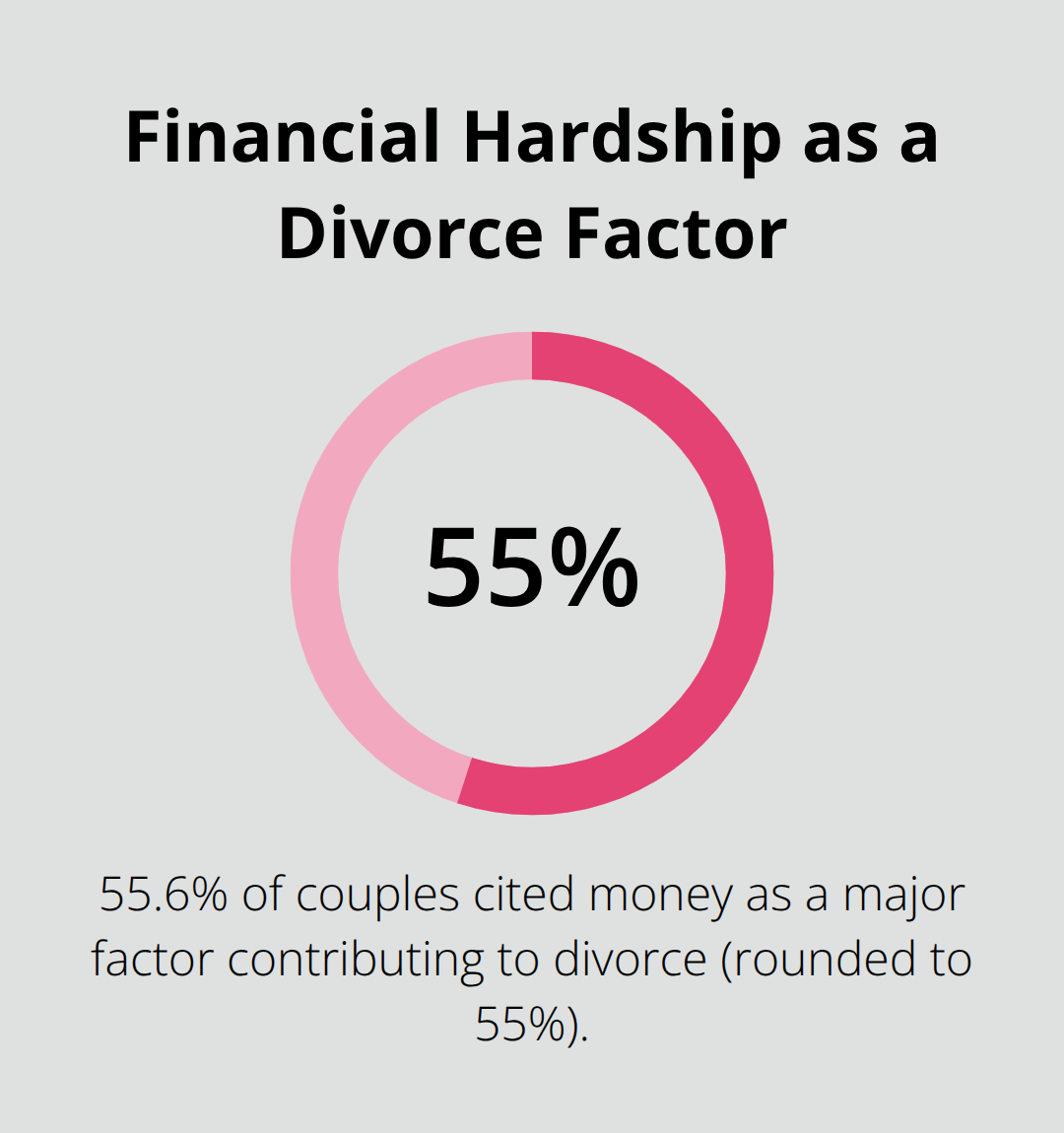
Financial conflict ranks among the most destructive forces in Melbourne, Florida marriages, yet most couples treat money management as a practical problem rather than a relationship crisis. Research from the PREP study shows that financial hardship contributed to divorce for more than half of couples, with 55.6% of couples citing money as a major factor.
What makes financial stress particularly dangerous is that it compounds every other relationship problem. When a couple argues about infidelity, communication improves temporarily because the issue demands attention. Money conflicts work differently-they fester quietly, accumulate resentment week after week, and create a pattern where partners stop talking altogether because conversations turn into accusations.
How Different Money Values Create Contempt
Disagreements over spending habits and debt don’t start with one partner being irresponsible. They start when partners hold fundamentally different values about what money represents. One person views spending as a way to enjoy life now; the other sees it as a threat to future security. Neither perspective is wrong, but the inability to reconcile these values creates contempt that spreads into every interaction. Hidden financial decisions accelerate this deterioration dramatically. When one partner discovers that the other opened a credit card account, took out a loan, or made major purchases without discussion, trust collapses in ways that are harder to rebuild than infidelity. The secrecy signals that the partner doesn’t respect you enough to include you in decisions that affect your household stability, your credit score, and your financial future.
Income Loss Exposes Relationship Fragility
Job loss and income changes expose the fragility that financial conflict creates. When a partner loses employment or faces a significant income reduction, couples who already struggle with money management face a crisis they cannot navigate together. Arguments that were manageable on two incomes become explosive when household resources shrink. Research analyzing divorce triggers found that couples earning under $25,000 annually divorce at significantly higher rates than those earning over $50,000, with higher income reducing divorce risk by approximately 30 percent. In Melbourne, Florida, where housing costs and living expenses continue rising, income instability hits harder than in lower-cost regions.
The partner who loses income often experiences shame and withdrawal, while the other partner may shift into blame mode rather than problem-solving mode. This dynamic prevents couples from developing strategies together, such as adjusting budgets, seeking additional income sources, or accessing financial counseling. Instead, financial stress becomes a vehicle for expressing anger about the relationship itself.
Transparency Prevents Financial Sabotage
Couples who address money conflicts directly, establish transparent financial practices, and discuss spending values before they become crisis points position themselves to survive economic challenges. Those who hide accounts, make unilateral financial decisions, or avoid conversations about money until problems become severe rarely recover from the damage. Transparent financial practices mean both partners know about all accounts, credit cards, loans, and major purchases. This transparency removes the opportunity for one partner to feel blindsided or betrayed by hidden financial activity. When both partners understand the household budget and participate in spending decisions, money becomes a tool for building security together rather than a weapon for expressing resentment.
Communication breakdowns about money often signal deeper issues with how couples handle conflict and respect each other’s autonomy. The next section examines how communication failures extend beyond financial disputes and destroy the emotional foundation that holds marriages together.
When Couples Stop Communicating, Marriages End
Communication breakdown operates differently than infidelity or financial conflict because it functions as both a symptom and a cause simultaneously. Couples who cannot resolve disagreements without contempt, defensiveness, or withdrawal find that every other problem becomes unsolvable.
Research from the PREP study identified too much conflict and arguing in 57.7% of divorces, but the issue isn’t conflict itself-it’s the inability to move through conflict productively. In Melbourne, Florida divorces, communication patterns reveal themselves during discovery and depositions, where attorneys often notice that spouses stopped having meaningful conversations months or years before filing. The pattern typically starts with unresolved conflicts that neither partner addresses directly. One person raises a concern, the other responds defensively, and instead of working through the disagreement, both partners withdraw emotionally. This withdrawal repeats itself across multiple issues until couples exist in the same household as functional strangers who exchange logistics but share nothing deeper.
How Defensiveness Kills Compromise
The inability to compromise accelerates this deterioration rapidly. When one partner consistently dismisses the other’s perspective or refuses to consider alternatives, the dismissed partner stops trying to be heard. This silence feels safer than repeated rejection, but it signals the relationship’s death more clearly than any argument. Partners who feel unheard eventually stop attempting to communicate their needs altogether. They accept that their perspective doesn’t matter and that resistance is futile. This acceptance represents a critical turning point-the relationship has shifted from conflict to indifference, and indifference is far harder to reverse than active disagreement.
Avoiding Difficult Conversations About Life Direction
Different life goals and values create a particular type of communication breakdown because couples often fail to recognize it’s happening. A partner wants to relocate for a career opportunity while the other prioritizes staying near family. One person envisions children while the other doesn’t. These fundamental differences require ongoing conversations to find workable solutions, but many couples avoid difficult conversations because they fear the answers. Instead of talking directly about whether their life paths can align, they minimize the disagreement, hope circumstances change, or silently resent each other for not sharing their vision. The emotional distance that results from avoiding these conversations destroys intimacy more effectively than any single betrayal.
The Erosion of Emotional Intimacy
Lack of emotional connection and intimacy doesn’t develop from a single betrayal or financial argument-it develops from months of not being truly known by your partner. When couples stop sharing vulnerabilities, stop asking genuine questions about each other’s inner lives, and stop making space for emotional expression, the relationship transforms into a practical arrangement rather than a partnership. Partners who once felt safe revealing their fears, dreams, and insecurities now keep those parts of themselves hidden. This protective withdrawal makes sense emotionally, but it accelerates the relationship’s decline. The person you live with becomes a stranger, and that stranger becomes easier to leave.
Rebuilding Connection Through Deliberate Conversation
Couples who schedule regular conversations about non-crisis topics maintain connection during calmer moments, which makes discussing difficult subjects more feasible. These conversations work best when they focus on understanding rather than winning. Instead of presenting solutions immediately, partners who ask clarifying questions and reflect back what they hear reduce defensiveness significantly. When one partner says they want to relocate, asking why that move matters-what they hope will change, what they fear about staying-creates space for actual dialogue rather than competing demands. This approach requires genuine curiosity about your partner’s perspective, not agreement with it. Melbourne, Florida couples who maintain emotional connection despite disagreements report that they can navigate life changes together because they understand each other’s core values and priorities. Those who avoid difficult conversations until crisis forces them to talk find that years of unspoken resentment have already damaged the relationship beyond repair. Couples who recognize that they’ve stopped communicating about anything beyond logistics and children’s schedules still have opportunity to rebuild connection through deliberate effort. Those who wait until one partner has already emotionally checked out and separation becomes necessary face a much steeper climb toward reconciliation.
Final Thoughts
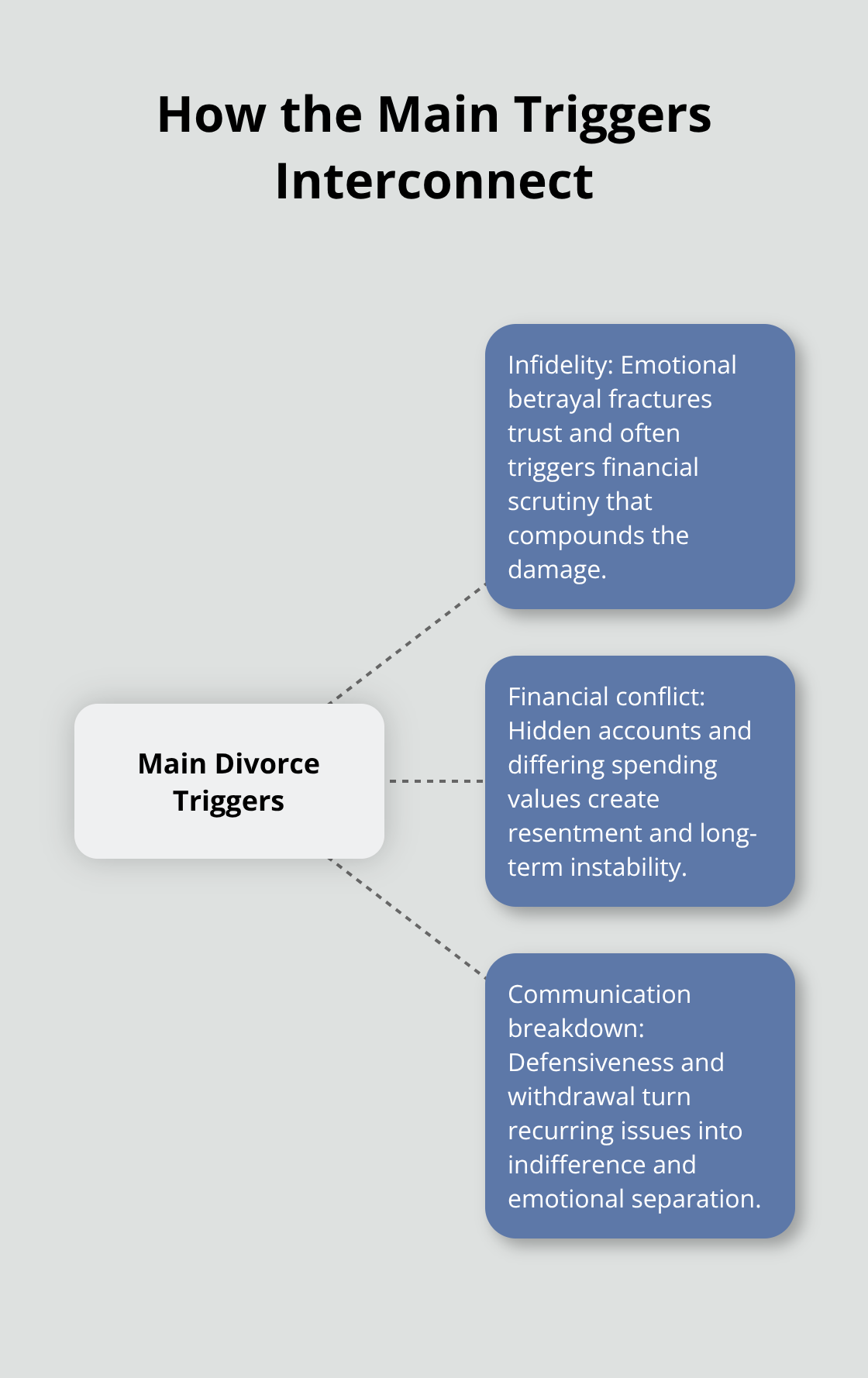
Infidelity, financial conflict, and communication breakdown represent the main reasons for divorce that we’ve examined throughout this guide. These three forces rarely operate in isolation-a partner’s infidelity often triggers financial scrutiny and defensive communication patterns, while money arguments compound communication failures until couples stop talking altogether. Understanding how these triggers interconnect helps you recognize which patterns are already developing in your marriage and where intervention becomes possible.
Couples who address these issues early dramatically improve their chances of strengthening their relationship. Infidelity doesn’t happen without warning signs, financial conflict doesn’t emerge overnight, and communication doesn’t collapse in a single conversation. Each of these problems develops gradually, which means each one offers opportunities for intervention before damage becomes irreversible. Marriage counseling, financial planning services, or direct conversations with your partner about what you’ve noticed can redirect your relationship’s trajectory.
If you’re already considering separation or if your marriage has reached a point where reconciliation seems unlikely, seeking legal guidance becomes essential. We at Harnage Law PLLC understand that divorce decisions involve complex emotional, financial, and legal considerations, and our team provides representation for Melbourne, Florida families navigating family law matters. Contact us to discuss your situation and explore your options with someone who understands both the legal requirements and the personal stakes involved in your decision.