
Shared custody Melbourne FL: Building Cooperative Co-Parenting Plans
Our Blog
Shared custody Melbourne FL: Building Cooperative Co-Parenting Plans
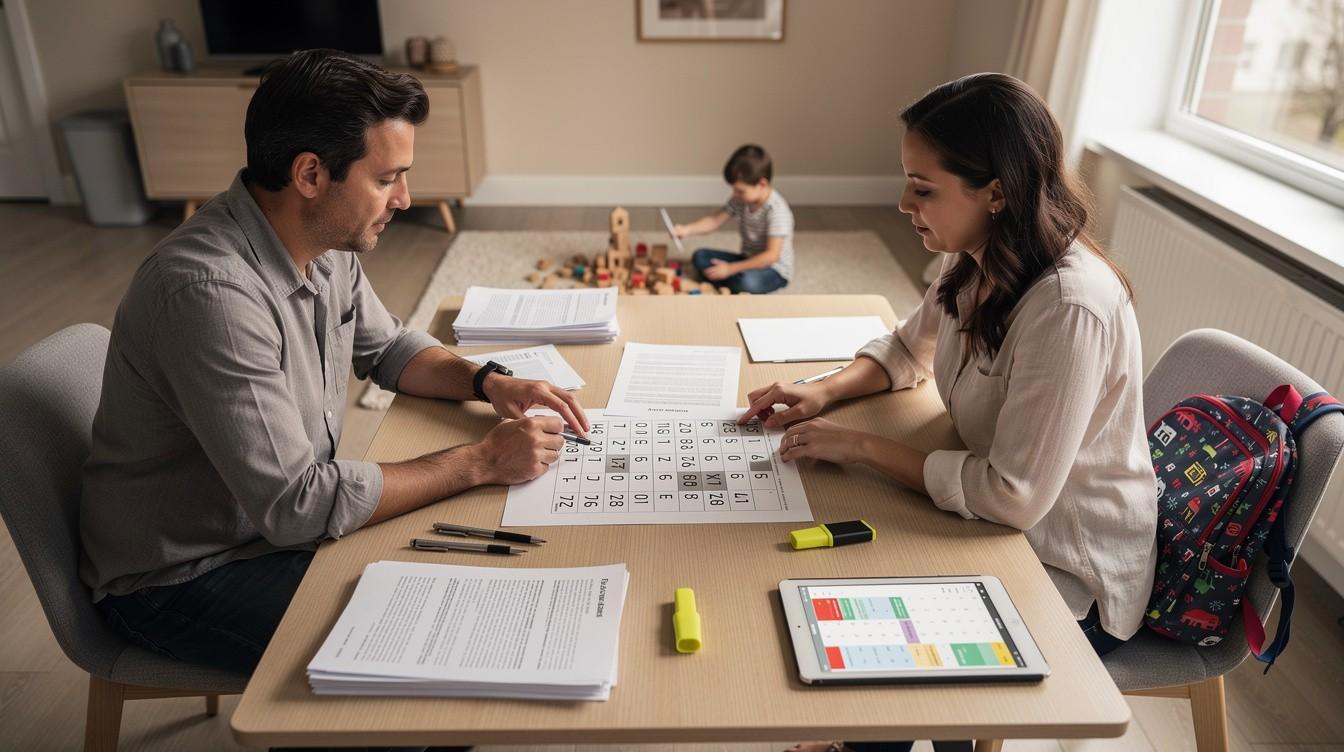
Shared custody in Melbourne FL requires more than just a court order-it demands intentional communication and clear agreements between parents. When both parents actively work together, children thrive with consistency and stability across two households.
At Harnage Law PLLC, we’ve seen firsthand how cooperative co-parenting transforms family dynamics. This guide walks you through building a practical plan that works for your family’s unique situation.
Understanding Shared Custody in Melbourne FL
How Florida Law Defines Shared Custody
Florida law treats shared custody differently than many states. The law doesn’t use the term “shared custody.” Instead, Florida courts award timesharing, which means the parenting time is divided between both parents. Under Florida Statute 61.13, courts must consider the best interests of the child when determining timesharing arrangements, and they strongly favor situations where both parents maintain frequent and continuous contact with their children. This preference shapes how judges make decisions in real cases.
When you have a shared timesharing arrangement, you and your former spouse both hold parental responsibility and make major decisions together regarding education, healthcare, and religion. The actual schedule can vary dramatically. One parent might have the child during the school week while the other has weekends and holidays. Another arrangement might split weeks equally or use a 60/40 split. Florida courts don’t mandate any specific schedule-what matters is that the arrangement serves the child’s needs and both parents can realistically follow it.
The Factors Courts Use to Award Timesharing
Florida judges evaluate several concrete factors when determining timesharing awards. They assess each parent’s willingness to encourage the child’s relationship with the other parent, which research shows significantly impacts child adjustment post-divorce. The court examines the child’s adjustment to home, school, and community, the mental and physical health of all parties, and whether either parent has a history of domestic violence or substance abuse.
Courts also consider the child’s preferences if the child is mature enough to express them meaningfully (typically around age 12 or older, though judges retain discretion). Geographic proximity matters substantially. If you live far from your former spouse, the court must account for travel time and logistics when creating a workable schedule. The judge will reject a 50/50 timesharing arrangement if one parent lives three hours away and the child attends school in the other parent’s area.
Why Practicality Trumps Equal Splits
Florida courts prioritize stability and practicality over equal divisions that don’t work in reality. A schedule that looks fair on paper but creates constant logistical chaos serves no one-least of all your child. Courts recognize that a 70/30 arrangement that both parents can actually maintain produces better outcomes than a 50/50 split that generates constant conflict and missed pickups.
This practical approach means you should present your circumstances clearly to the court, focusing on arrangements that genuinely benefit your child rather than fighting for arbitrary equal splits. The next section covers how you and your former spouse can build effective communication strategies that make whatever timesharing arrangement you have actually work in daily life.
How to Communicate Effectively With Your Co-Parent
Establish Clear Communication Channels and Boundaries
Successful co-parenting hinges on communication systems that prevent misunderstandings before they escalate into conflict. The American Academy of Pediatrics reports that children in high-conflict co-parenting situations experience increased behavioral problems and academic difficulties, which means your communication approach directly affects your child’s wellbeing. Most parents underestimate how much clarity matters. When expectations live only in your head or get communicated casually during pickups, disagreements multiply.
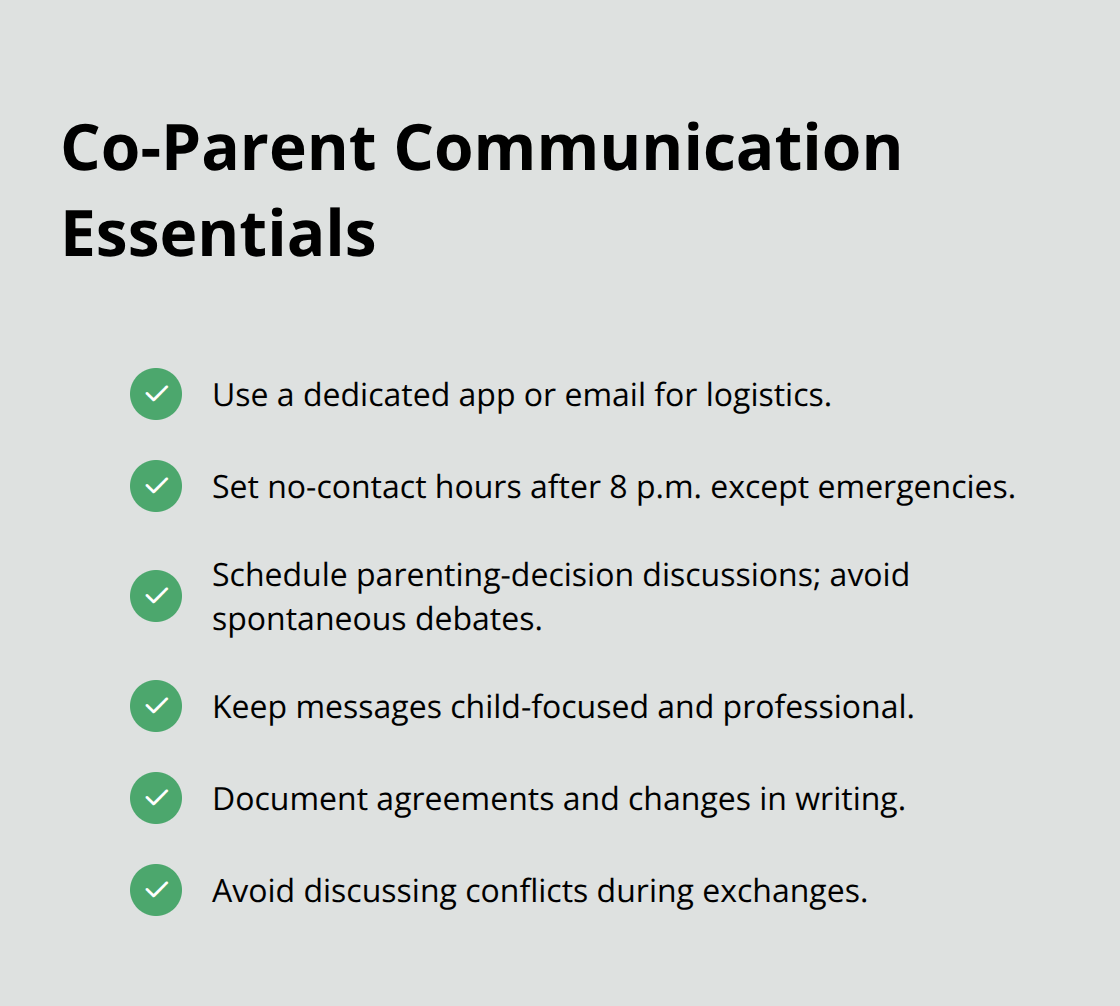
Written agreements and dedicated communication channels eliminate the he-said-she-said dynamics that poison co-parenting relationships. Start by establishing non-negotiable boundaries around communication timing and content. Agree that logistical questions go through a specific channel (email or a co-parenting app), that neither parent contacts the other after 8 p.m. unless it’s a genuine emergency, and that discussions about parenting decisions happen at scheduled times, not spontaneously.
Use Structured Communication Tools to Reduce Conflict
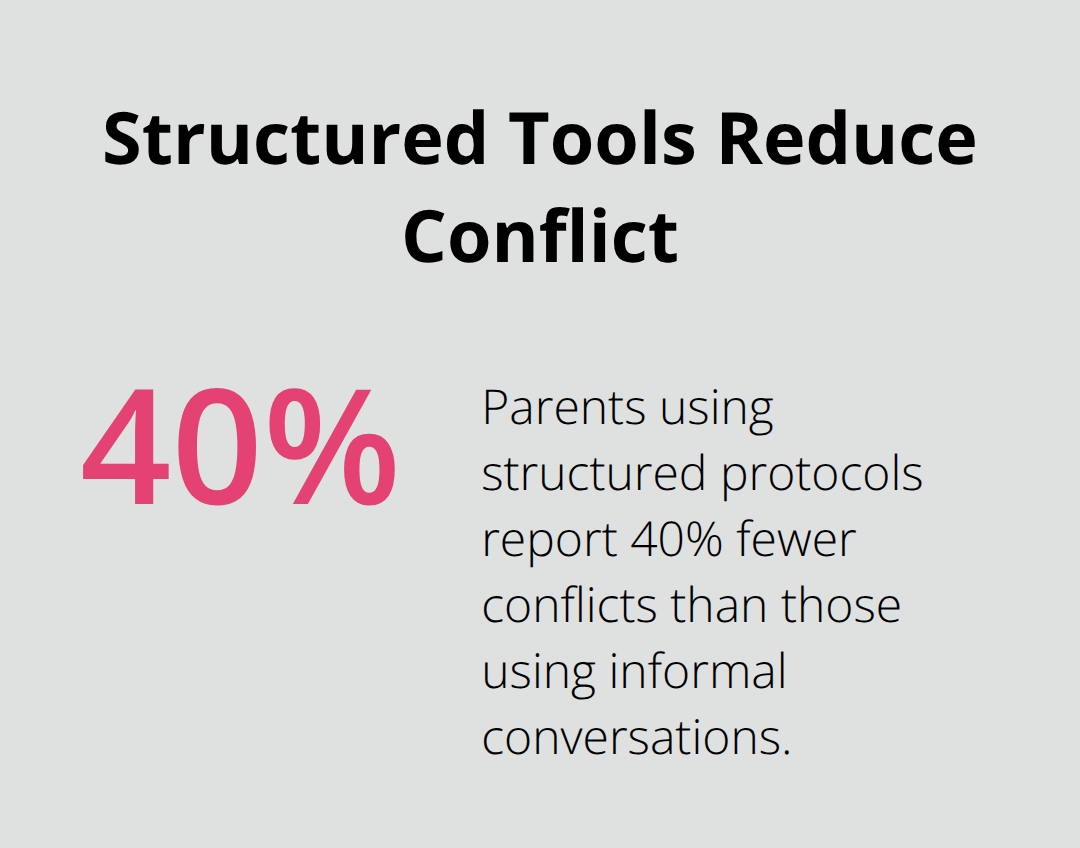
Research from the University of Missouri found that parents using structured communication protocols reported 40% fewer conflicts than those relying on informal conversations. Tools like OurFamilyWizard and Talking Parents create automatic documentation of all exchanges, which protects both parents and provides a clear record if disputes arise. These apps prevent the emotional escalation that happens with text messages and phone calls by keeping interactions focused and professional.
They also include shared calendars, expense tracking, and message filtering that blocks inflammatory language before it sends. These platforms transform co-parenting from an emotional minefield into a manageable administrative process. The documentation they create proves invaluable if you ever need to address disputes with legal support.
Handle Disagreements With Cooling-Off Periods
When conflict does emerge (which it will), establish a protocol for handling disagreements that doesn’t involve your children. Agree that you’ll table heated discussions and revisit them after 24 hours when emotions settle. Research shows that parents who implement cooling-off periods make significantly better decisions about their children’s welfare.
If you and your former spouse consistently deadlock on specific issues, identify those topics beforehand and include dispute resolution steps in your co-parenting agreement. Some families benefit from mediation on particular subjects, while others designate a neutral third party like a parenting coordinator to make decisions when parents cannot agree. This approach removes the decision-making burden from moments when tension runs highest.
Track Financial Responsibilities With Precision
Financial responsibilities deserve the same clarity as schedule changes. Document who pays for what, when payments occur, and how you’ll handle unexpected expenses like emergency medical care or school supplies. Ambiguity about money creates persistent resentment that bleeds into other parenting decisions.
Most co-parenting apps include expense-splitting features that track who paid what and calculate reimbursements automatically, eliminating arguments about who owes whom. The goal isn’t friendship with your former spouse, but rather a professional relationship focused entirely on your child’s needs. Once you’ve built these communication foundations, you can move forward with the practical steps that transform your co-parenting agreement from words on paper into a working reality.
Practical Steps to Build and Maintain Your Co-Parenting Plan
Document Your Schedule and Financial Responsibilities
Your co-parenting plan only works when both parents follow it consistently, which means every detail must be documented in writing. Florida courts expect shared custody arrangements to include specific schedules, financial divisions, and decision-making protocols that survive the initial enthusiasm of new agreements. Convert your verbal understanding into a detailed parenting plan that covers the entire calendar year, including regular school weeks, holidays, summer breaks, and special occasions like birthdays and religious celebrations. This document should specify exact pickup and drop-off times, locations, and who handles transportation. Vague arrangements like “every other weekend” create endless disputes about whether Friday evening starts at 5 p.m. or 6 p.m., whether the child sleeps over, and who manages the drive.
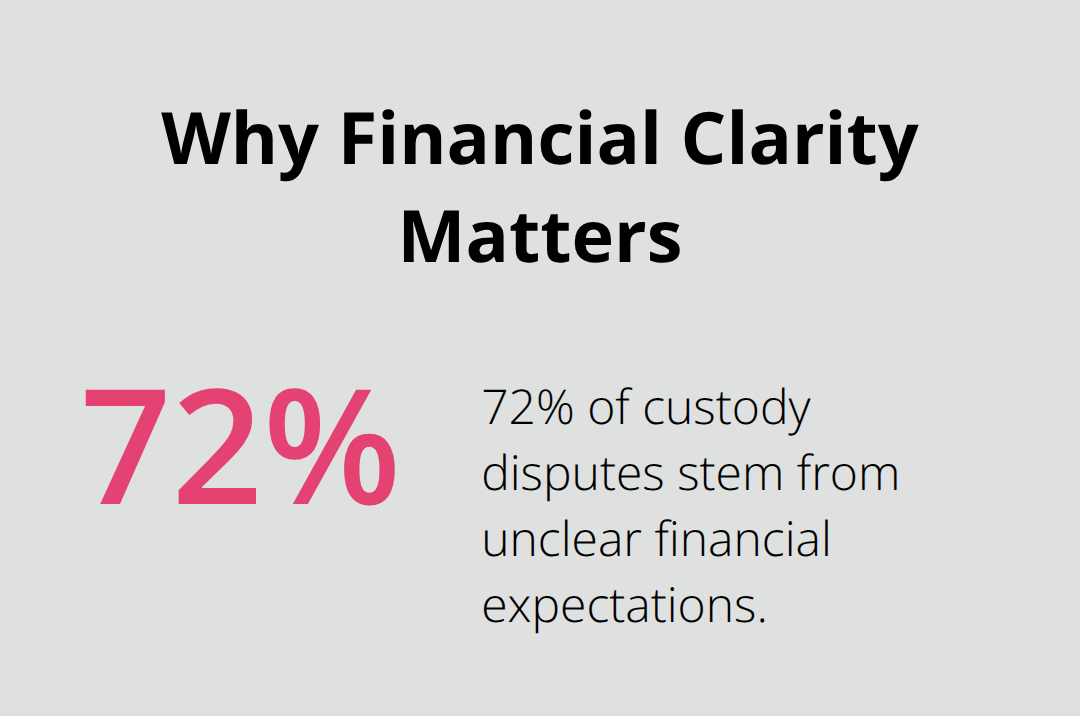
Your written plan should also address financial responsibilities with precision: who pays for healthcare insurance, who covers medical expenses beyond insurance, and how you’ll split school fees, extracurricular activities, and daycare costs. Research from the American Academy of Matrimonial Lawyers found that 72% of custody disputes stem from unclear financial expectations rather than actual disagreement about parenting time. Include a mechanism for adjusting these costs if circumstances change, such as a formula for proportional splits based on income or a trigger point for renegotiating expenses when they exceed a certain threshold.
Document everything in your co-parenting app or through email so you have a timestamped record of all agreements and modifications.
Build Flexibility Into Your Arrangement
Your co-parenting plan must include built-in flexibility because children’s needs shift constantly, and rigid arrangements eventually fail. Children’s schedules change as they age, their extracurricular interests evolve, and logistical realities transform when parents change jobs or relocate. Rather than waiting for frustration to build until you’re forced to renegotiate, establish scheduled review points in your agreement, such as every six months or annually, where you and your former spouse formally assess whether the current arrangement still serves your child’s best interests.
When your child reaches middle school and develops sports commitments, your weeknight schedule may need adjustment. When your teenager gets their license, overnight arrangements might shift. When you change jobs with different hours, pickup times might require modification. Document these changes in writing using the same communication channels you established earlier.
Prioritize Consistency Over Perfect Equality
Consistency matters far more than perfect equality, so try to maintain a schedule that both parents can reliably execute over chasing theoretical fairness. Courts in Florida recognize that a 70/30 arrangement maintained without conflict produces better outcomes than a 50/50 split that generates constant renegotiation and resentment. If you find yourselves unable to adapt your plan cooperatively, Harnage Law PLLC can help formalize modifications through the court system before small disagreements escalate into larger conflicts that require judicial intervention.
Final Thoughts
Shared custody in Melbourne FL succeeds when both parents commit to clear communication, documented agreements, and genuine flexibility. The foundation you build through written schedules, financial clarity, and structured communication channels determines whether your arrangement thrives or deteriorates over time. Children benefit measurably from co-parenting relationships where both parents prioritize consistency and cooperation over conflict.
Research consistently shows that children in cooperative shared custody arrangements experience better academic performance, fewer behavioral problems, and stronger emotional adjustment compared to high-conflict situations. Your willingness to communicate professionally, adapt as your child’s needs change, and maintain reliability across two households directly shapes your child’s wellbeing. These aren’t theoretical benefits-they’re concrete outcomes that appear in your child’s school performance, their relationships with peers, and their sense of security.
When disagreements arise despite your best efforts, or when circumstances change in ways that require formal modification, legal support becomes valuable. The attorneys at Harnage Law PLLC handle sensitive family law cases including child custody matters and can help you formalize modifications, resolve disputes, or strengthen existing arrangements through the court system. Contact Harnage Law PLLC to learn how we can support your family’s specific situation.