
Divorce tips Melbourne FL: Quick Wins For Your Case
Our Blog
Divorce tips Melbourne FL: Quick Wins For Your Case

Divorce in Melbourne, FL moves fast, and the first steps you take matter more than anything else. The decisions you make right now-before papers are filed or negotiations begin-directly impact your financial outcome and custody arrangements.
We at Harnage Law PLLC have seen countless cases where early preparation made the difference between a fair settlement and a costly mistake. This guide walks you through the concrete actions that strengthen your position immediately.
What to Document Before Your Divorce Starts
Establish Your Timeline and Financial Records
Start documenting now, not when your attorney tells you to. Most people wait until after filing to gather records, which means they miss critical details that shape settlement offers and court decisions. The first thirty days are your strongest window to collect information while you still have access to joint accounts, shared devices, and physical assets.
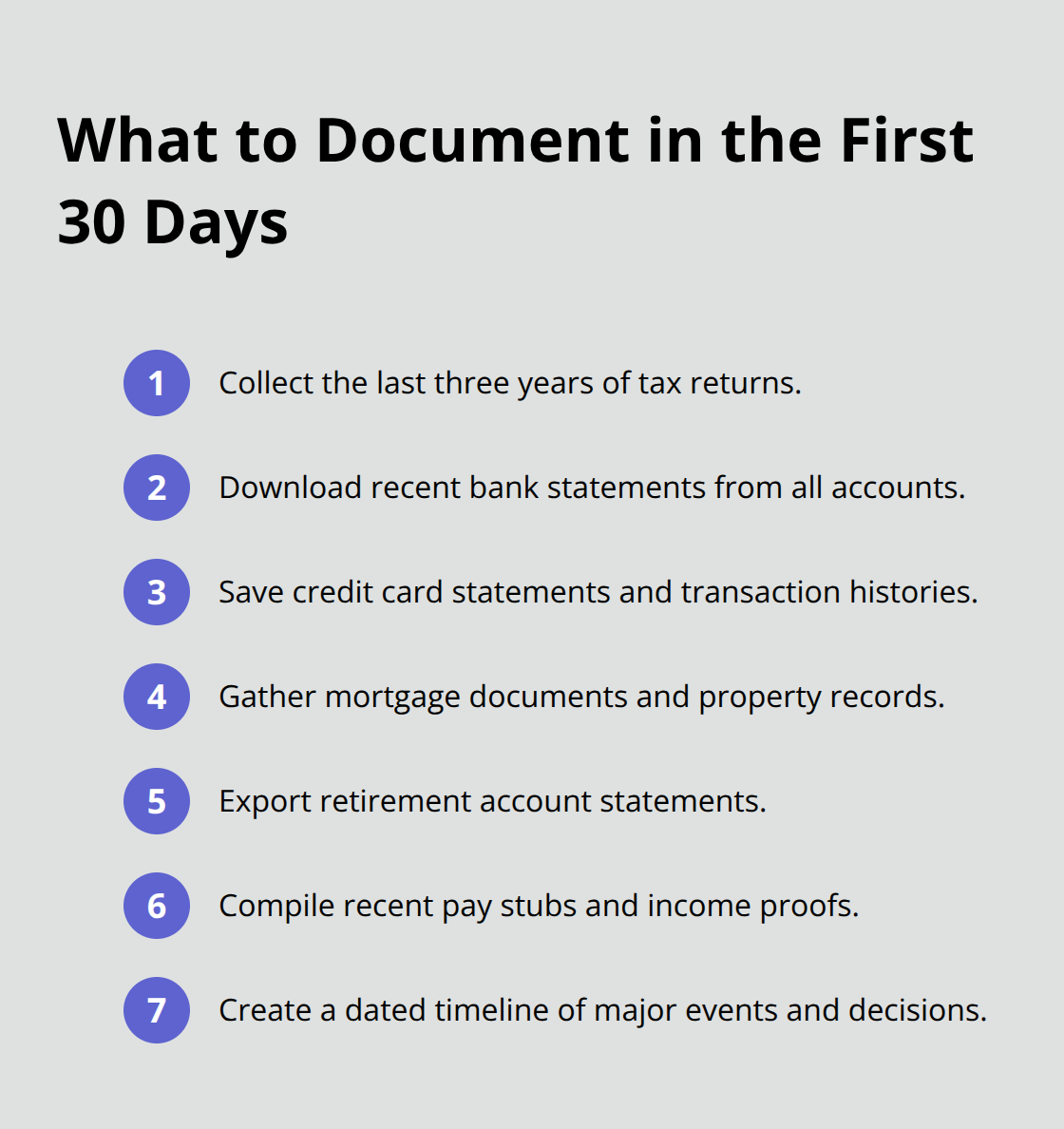
Create a detailed timeline of significant events: when you separated, major financial decisions, changes in income, childcare arrangements, and any incidents affecting your children. Write dates and facts down immediately. Courts in Brevard County rely heavily on documented timelines because they clarify patterns and establish credibility.
Simultaneously, you should gather every financial document you can access: the last three years of tax returns, recent bank statements from all accounts, credit card statements, mortgage documents, retirement account statements, and pay stubs. The Florida Bar Association emphasizes that upfront organization of these materials can reduce case delays significantly.
Protect Your Assets and Communications
Document every piece of marital property through photographs of high-value assets like vehicles, jewelry, furniture, and property conditions inside and outside your home. These images protect you if your spouse disputes asset values or claims damage occurred during the divorce process. Keep copies of all communications with your spouse, including texts, emails, and any written agreements about finances or parenting. Store everything in a secure location your spouse cannot access.
Open a separate bank account in your name only and move your portion of household income there immediately. This protects funds from being spent down or hidden. Run your credit report through one of the three major bureaus to identify any debts or accounts you didn’t know existed, as hidden debts can significantly impact property division.
Map Out Your Financial Obligations and Income
List every liability: mortgages, car loans, credit cards, medical debt, and personal loans. Document your monthly living expenses and current income sources with supporting pay stubs or bank deposits. This information becomes essential for child support calculations and alimony determinations under Florida’s guidelines, which the Florida Department of Revenue administers.
These steps take hours, not days. Once you complete this groundwork, you move into the next critical phase: understanding how Florida law treats the assets and debts you’ve just documented, and what strategic decisions will protect your interests during negotiations.
Separate Your Finances Before Your Spouse Does
Open a Dedicated Bank Account Immediately
Your financial future depends on actions you take this week, not next month. Open a separate bank account in your name only-this protects your income from being spent down or diverted by your spouse during the divorce process. Move your paycheck deposits there immediately and document the transfer dates. This single step prevents disputes over who controlled which funds and gives you a clear record of your income for child support calculations and alimony determinations under Florida’s guidelines.
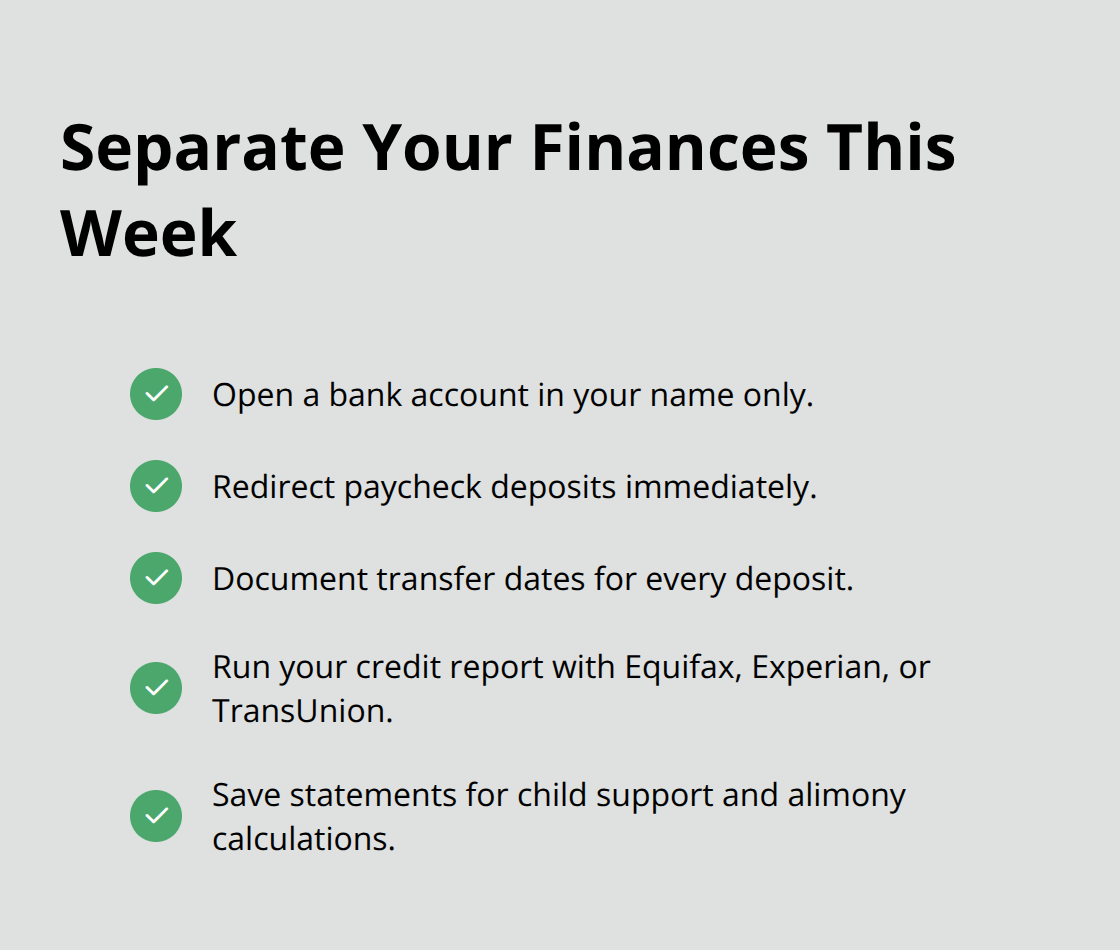
The Florida Department of Revenue uses income documentation to calculate support amounts, so clean separation of accounts now means accurate figures later.
Gather Three Years of Financial Documentation
Collect your last three years of tax returns, recent pay stubs, and all account statements from banks, credit cards, and retirement accounts. Florida’s equitable distribution law requires full financial disclosure, and the court will see everything anyway-so gathering it yourself first means you control the narrative and catch missing information before your spouse does. Run your credit report through Equifax, Experian, or TransUnion to identify any debts you didn’t authorize; hidden accounts or fraudulent charges discovered early give you leverage in settlement negotiations and prevent surprises at trial.
Document Every Debt and Monthly Expense
Create a comprehensive list of every liability: mortgages, car loans, credit cards, medical debt, and personal loans (along with current balances and monthly payment amounts). Document your monthly living expenses by reviewing bank statements for the past three months-groceries, utilities, childcare, insurance, gas-because these numbers directly affect temporary support orders the court may issue while your case is pending. Courts in Brevard County issue temporary orders quickly, often within weeks of filing, so having your expense documentation ready means you avoid guessing at numbers under pressure.
Organize Information Before Meeting Your Attorney
The goal is straightforward: when your attorney sits down with you, hand over organized, complete financial information rather than scattered documents that create delays and cost extra hours in legal fees. This preparation also positions you to understand Florida’s equitable distribution framework and how the court will evaluate your assets and debts-knowledge that shapes every negotiation ahead.
How to Strengthen Your Position Before Filing
Florida’s equitable distribution law doesn’t mean a 50/50 split-it means the court divides marital assets and debts fairly based on the specific facts of your case. This distinction matters enormously because it gives you room to shape the outcome through strategic preparation. Before you file, understand what Florida courts actually look at: the length of your marriage, each spouse’s income and earning capacity, contributions to the marriage (including homemaking), the condition of assets at divorce, and tax consequences of property division. Courts in Brevard County follow these factors consistently, so documenting how they apply to your situation gives you concrete talking points during settlement negotiations.
Understand How Courts Value Your Contributions
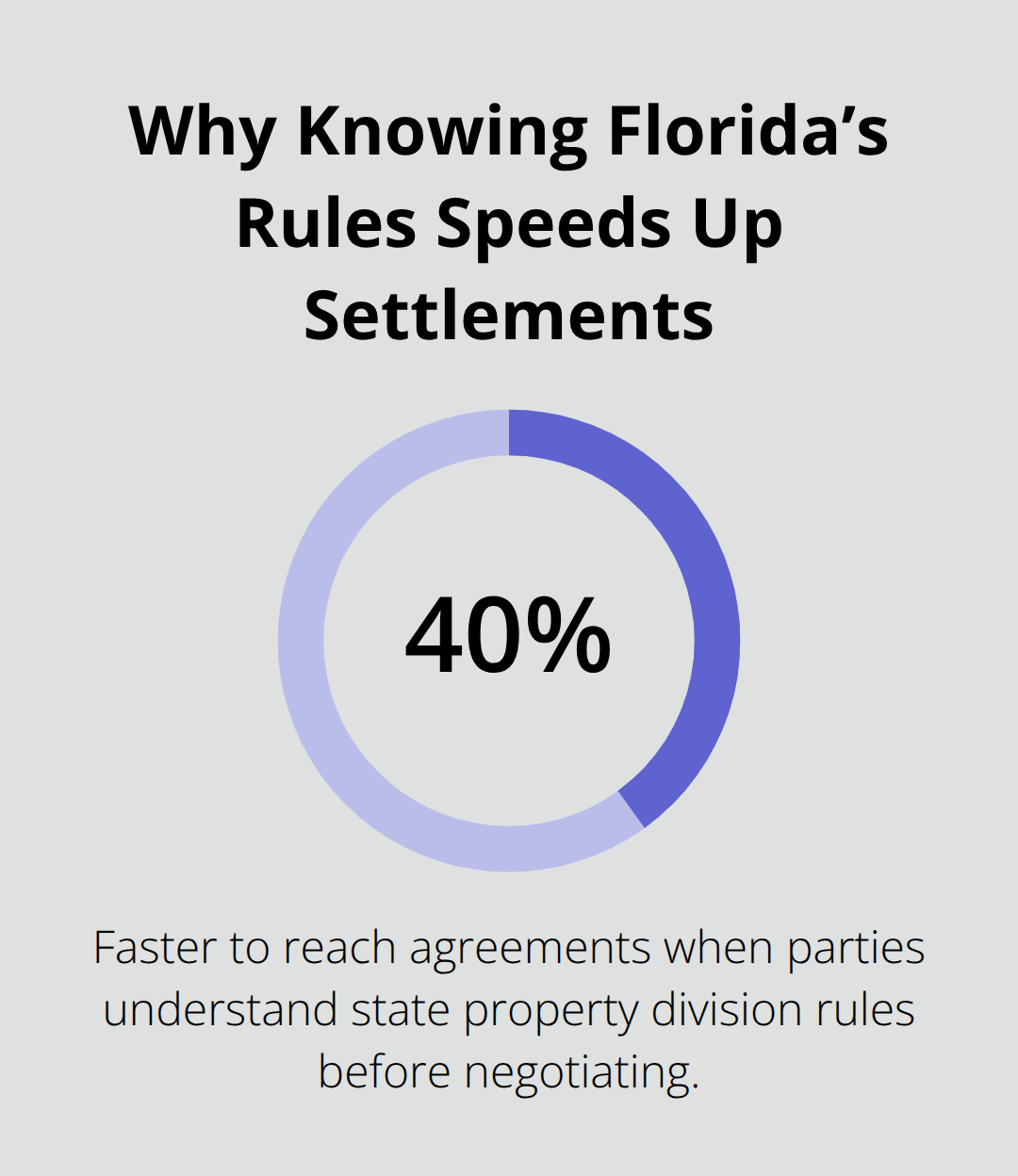
If you earned significantly less during the marriage but made substantial non-financial contributions-managing the household, raising children, supporting your spouse’s career-that strengthens your claim to a larger share of marital assets. Conversely, if you built a business or significantly increased retirement savings during the marriage, courts recognize that growth as marital property subject to division. The American Bar Association found that parties who understood their state’s property division rules before negotiating settlements reached agreements 40 percent faster than those who didn’t.
Research Your Numbers and Recent Cases
Know your numbers: calculate the total value of all marital assets and debts you documented in the previous step, then research how similar assets divided in recent Brevard County cases. This research costs you nothing but a few hours online or at the courthouse, yet it anchors every negotiation that follows.
Identify Strategic Witnesses Now
Witnesses matter far more than most people realize, but only if you identify them strategically before your spouse does. Courts hear from witnesses about your character, parenting abilities, financial contributions, and incidents that shape custody or asset division outcomes. If custody is contested, former teachers, coaches, neighbors, or family friends who observed your parenting directly carry significant weight-far more than character witnesses who’ve never seen you with your children.
Document the names and contact information of people who can testify about specific, recent observations: someone who saw you manage household finances, a colleague who knows your income, a friend who watched you parent during school pickup or weekend activities. Reach out now to confirm they’re willing to participate and to understand what they actually witnessed versus what they assume. If your spouse claims you were absent or uninvolved in parenting, a teacher who can describe your attendance at school events or a coach who watched you at practice becomes invaluable.
Consult With a Family Law Attorney Early
Consult with a family law attorney in Melbourne early-not weeks before trial, but now, while you’re still gathering information. An attorney gathers the documentation you need, identifies hidden assets, and challenges inflated valuations, then explains which facts matter most under Florida law. That credit report you pulled earlier serves double duty: it protects you from fraudulent accounts your spouse may have opened, but it also shows the court your financial responsibility if asset division or support disputes arise.
Final Thoughts
The divorce tips Melbourne FL residents need most boil down to one principle: act now, not later. Every hour you delay gathering documents, organizing finances, or consulting an attorney costs you money and weakens your negotiating position. Your spouse may be taking the same steps right now, which means waiting puts you behind from the start.
The three phases outlined in this guide-documenting everything, protecting your finances, and building your case strategically-work together to create a foundation that holds up under pressure. When settlement negotiations begin, you’ll have organized records, clear financial data, and a realistic understanding of what Florida law actually requires. That preparation translates directly into faster agreements, lower legal costs, and outcomes that reflect your actual situation rather than guesses made under stress.
Professional legal guidance prevents the costly mistakes that derail cases: missed filing deadlines, incomplete financial disclosures, poorly drafted agreements that create enforcement problems later, or failure to identify assets your spouse is hiding. Contact Harnage Law PLLC for a case review to discuss your situation and determine your next steps.